Salesforce’s AI Boosts Employee Productivity
Elevate team efficiency and simplify daily operations with Salesforce’s powerful AI features. Explore how automation and smart insights drive peak performance across your organization.
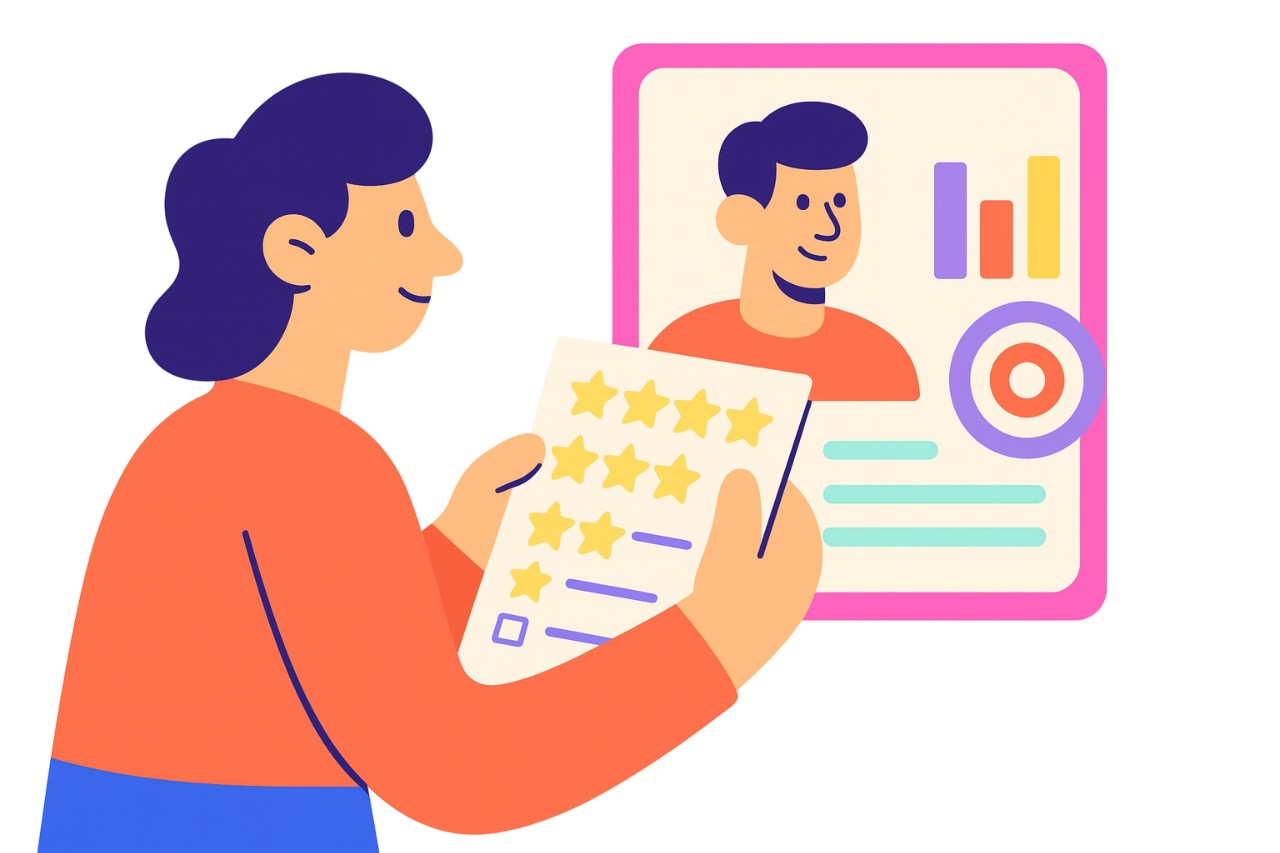
How to Measure Employee AI Productivity
Discover how to measure what truly matters—outcomes, adaptability, collaboration, and well-being—with ethical, privacy-first analytics in the age of AI Adoption

The Ultimate AI Adoption Strategy for Modern Enterprises
Organizations that take strategic approach in AI Adoption are seeing significant gains in productivity, innovation, and market share. Success hinges on leadership buy-in to set the vision, data readiness to fuel AI models, robust infrastructure for scalability, and cultural alignment through training and communication. By avoiding pitfalls like unclear objectives and inflated expectations, and continuously refining their approach, companies can transform AI from a tech experiment into a lasting competitive advantage.

AI's Impact on Workweek
AI is transforming the four-day workweek from ideal to attainable—by reducing busywork, enabling flexibility, and improving focus. But success depends on clear metrics, strong leadership, and a culture of experimentation.