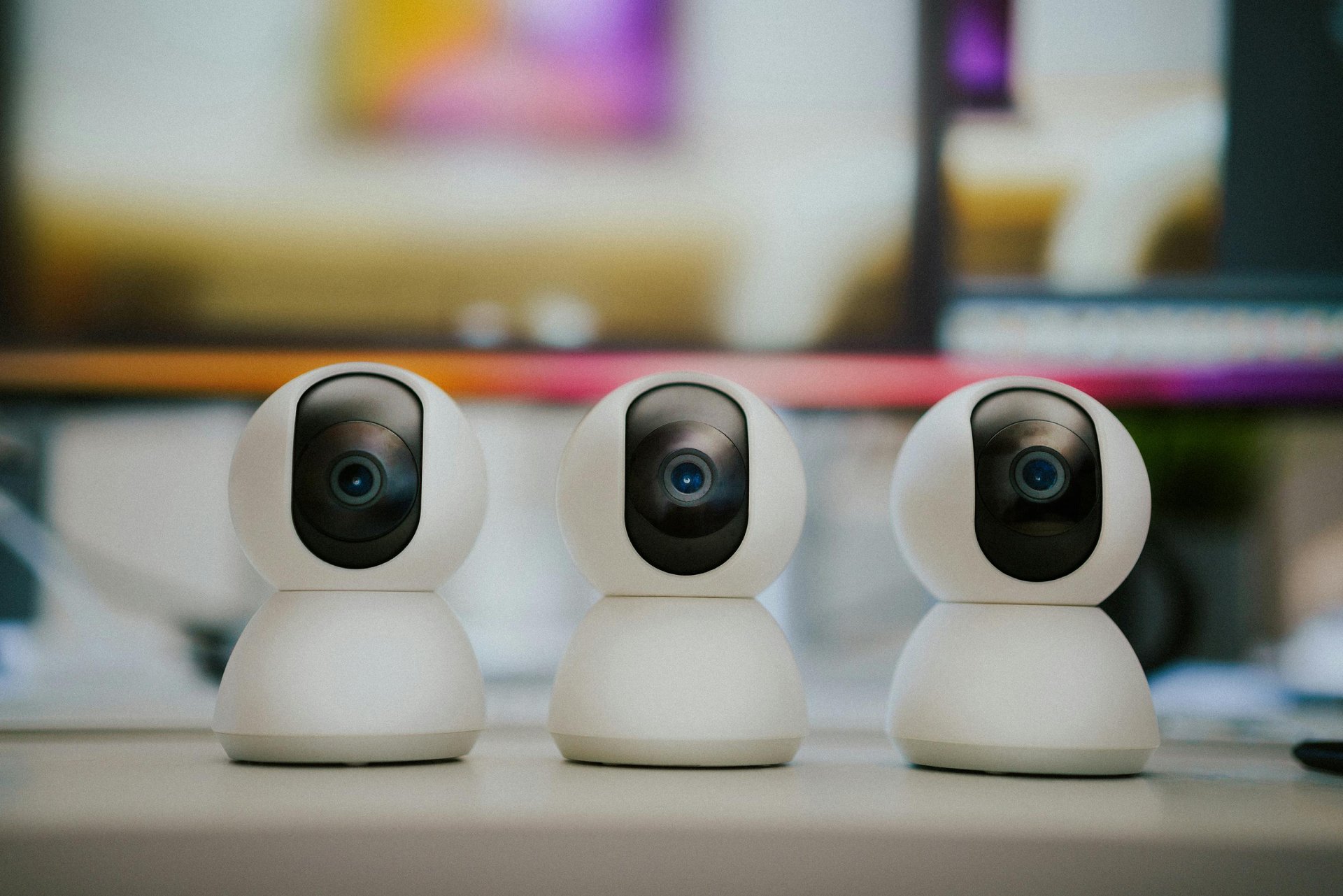
Employee tracking is now standard in the digital workplace. Companies monitor productivity with time-tracking software, activity monitors, screenshot tools, and in some cases surveillance cameras. The stated goal is almost always efficiency. The actual result is often the opposite.
Excessive tracking creates a culture of distrust. Employees stop feeling valued and start feeling watched, and when morale drops, productivity follows. Instead of producing the efficiency it aims, heavy-handed monitoring tends to produce stress, disengagement, and a set of counterproductive behaviors that are worse than the problem it was meant to solve.
The honest answer to the question in the title is: it depends on how it is done, but most monitoring programs are done in a way that hurts more than it helps. This article walks through the evidence on morale and productivity, the specific ways surveillance backfires, and what actually works instead.
TLDR:
A functioning workplace is not just a place where tasks get completed. It is an environment where people feel motivated, valued, and willing to put in discretionary effort. High morale produces concrete business results:
When surveillance replaces trust, these benefits are the first thing to go.
Constantly feeling watched is its own source of strain. Research shows that 56% of tracked workers report high stress levels, compared with 40% of those who are not monitored. That gap matters, because chronic low-grade anxiety is what leads to burnout, resentment, and disengagement over time.
Employees read surveillance as a statement: management does not trust you to do your job. That perception damages the employer-employee relationship at its foundation. People who feel distrusted reduce their commitment in return, and the relationship becomes transactional rather than invested.
A meta-analysis of electronic monitoring research links monitoring to declining job satisfaction. Employees who feel micromanaged find less meaning in their work, which feeds disengagement, lower wellbeing, and higher turnover. One workplace survey found that nearly two-thirds of workers consider activity-tracking software a valid reason to quit a job.
Employers assume that tracking every move guarantees maximum output. In practice, excessive monitoring shifts the focus from meaningful work to performative behavior. Employees feel compelled to look busy rather than be effective. The data backs this up: monitoring tools used well can lift output, but monitoring that goes too far has been found to reduce productivity by around 10%, and employees given autonomy and outcome-based goals can be substantially more productive than those tracked minute by minute.
Under surveillance, employees prioritize visibility over value. Instead of strategic thinking, deep work, or innovation, the incentive is to be seen. That looks like:
These behaviors create an illusion of productivity while draining time, energy, and morale. The work becomes about satisfying the tracking software rather than the actual job.
Creativity and problem-solving need autonomy, room to experiment, and the freedom to take thoughtful risks. When employees know every second is logged, they work reactively instead of strategically, stick to safe and conventional approaches to avoid scrutiny, and avoid independent decisions for fear of being second-guessed. Surveillance promotes a culture where efficiency is measured in clicks rather than contributions.
The clearest sign that monitoring has failed is that employees start outsmarting it rather than improving their work. Constant tracking encourages behaviors that actively undermine productivity:
These do not just make tracking ineffective. They turn the workplace into a contest between employees and the monitoring system, which damages trust and morale on top of wasting time.
Workplaces built on monitoring tend to share a set of problems:
Beyond morale, heavy monitoring raises real questions about privacy and compliance. Employees have a reasonable expectation of autonomy, and frameworks such as GDPR and CCPA contain specific protections against invasive monitoring. Companies that overreach risk legal exposure and reputational damage. The task is to balance legitimate business needs against employee dignity, and that balance is easier to strike than most organizations assume.
Not all monitoring is equally damaging, and being honest about that makes the rest of the argument stronger. The single biggest variable is transparency.
Gartner research found that the acceptance rate of email monitoring rose by 20 percentage points among employees once their employer clearly explained the reasons for it. The monitoring did not change. The communication did. Secret or unexplained monitoring is what produces the sharpest drop in trust, because employees fill the silence with the worst-case assumption.
There is also a meaningful difference between monitoring that is done to employees and data that is made available to employees. When people can see their own work patterns and use them to manage their own time, engagement can actually rise, because the data becomes a tool they control rather than a verdict passed on them. The damage comes from surveillance that is opaque, individual, and punitive, not from the existence of workplace data itself.
The alternative to invasive monitoring is not flying blind. It is shifting from surveillance to a model built on trust and outcomes.
Stop counting minutes worked and start measuring real contributions and results. Activity is easy to fake. Outcomes are not.
Bring employees into discussions about how productivity should be measured and improved. People support what they help design, and they will tell you where the real bottlenecks are if they trust the conversation.
If you collect any workplace data, say so, explain why, and explain what you will not do with it. Transparency is the cheapest and most effective trust-building move available.
The most useful thing leadership can do with workplace data is find what is slowing teams down and fix it, rather than catching individuals being insufficiently busy.
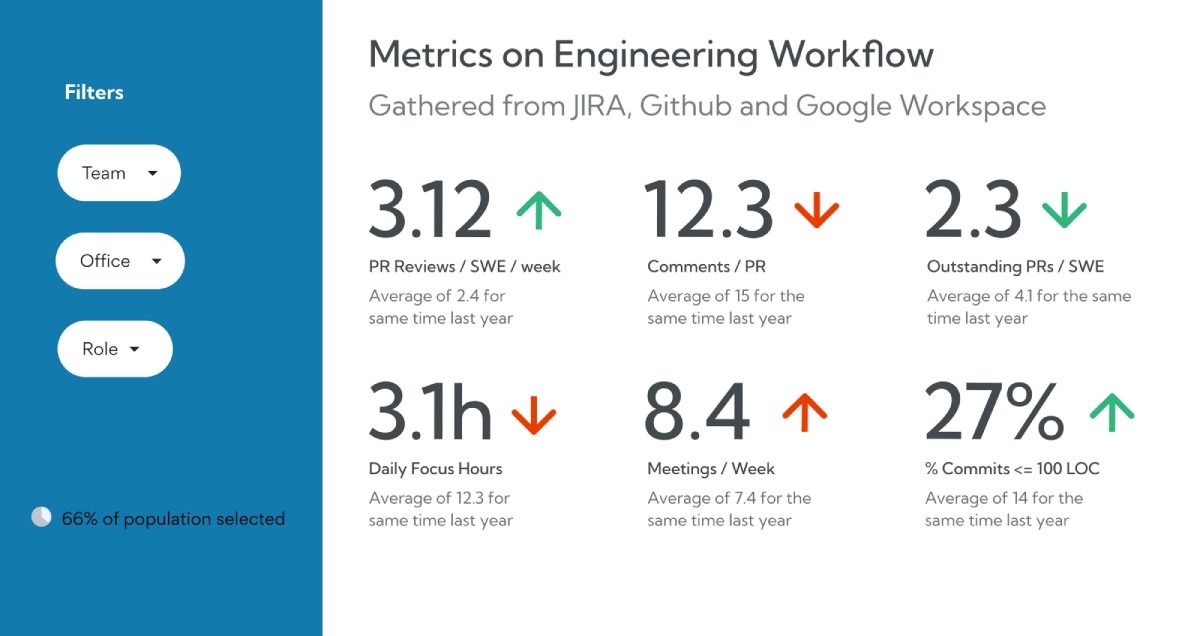
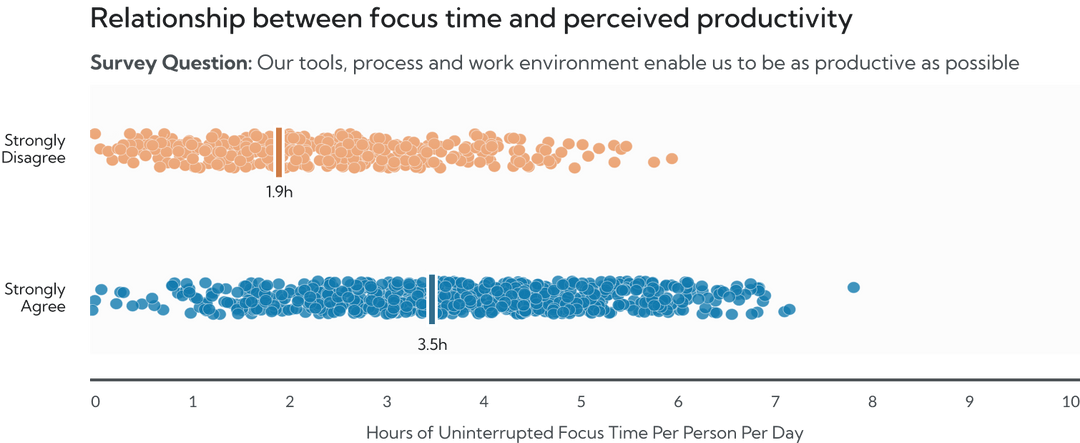
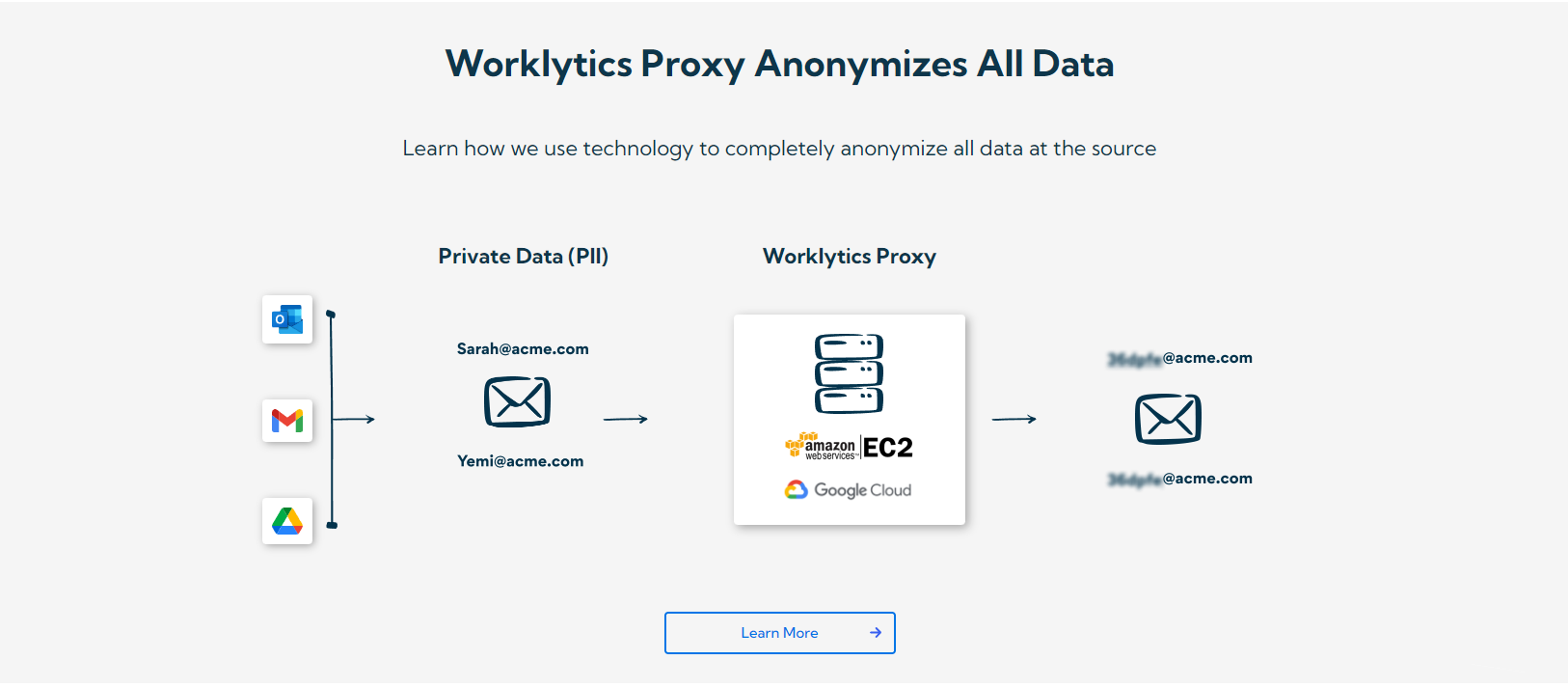
For companies that want visibility without the damage, workplace analytics is a fundamentally different approach from employee monitoring. Instead of tracking individual keystrokes, it uses aggregated performance metrics and workflow insights to understand how work actually flows, so accountability does not require micromanagement.
The distinction is in what gets measured and at what level. Workplace analytics looks at patterns and trends across teams, not the second-by-second activity of named individuals. With that approach, managers can:
Employee tracking looks like a shortcut to higher productivity. In practice it usually delivers the opposite: stress, performative work, gamed metrics, and the steady loss of the trust that real productivity depends on. The monitoring programs that do the least damage are the transparent, outcome-focused ones that treat employees as adults.
Workplace success is built on trust, autonomy, and respect. Organizations that shift their focus from watching employees to genuinely supporting them tend to get the engagement and the results they were chasing with surveillance in the first place. The better question is not how closely you can watch your people. It is how effectively you can empower them.