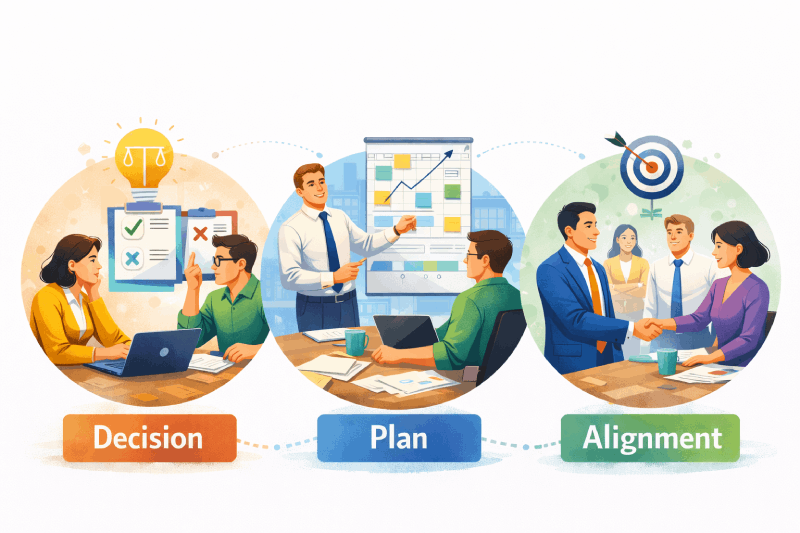
The common failure mode is not “we meet too much.” It is “we meet without producing an outcome.” That creates a predictable chain reaction:
Harvard Business Review has documented meeting overload and why it persists in modern organizations. If you want a concise overview of the dynamics (and why meetings expand by default), read Stop the Meeting Madness.
The fix is operational, not motivational:
Every meeting should be designed backwards from the artifact you want at the end. If you cannot name the artifact, you cannot validate the meeting’s value.
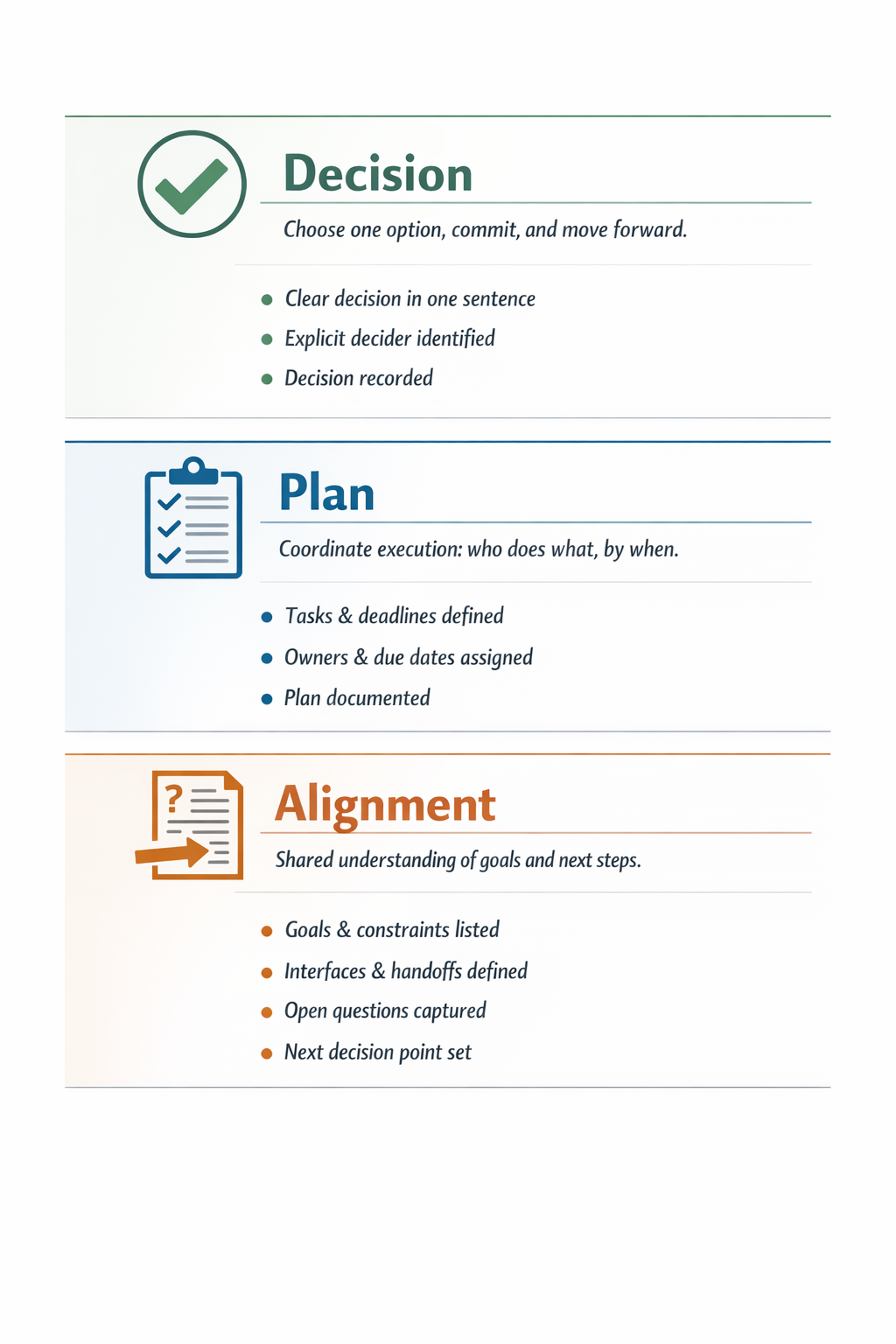
A decision meeting exists to choose one option, commit, and move forward.
A decision meeting is successful only if:
A plan meeting exists to coordinate execution: who does what, by when, with what dependencies.
A plan meeting is successful only if:
Alignment is shared understanding, not consensus. It ends with a shared one-pager, explicit open questions, and a clearly defined next decision point. An alignment meeting exists to ensure teams share the same view of:
An alignment meeting is successful only if it captures a shared understanding (often in a one-pager), clearly lists open questions, and defines the next decision point with an owner and timing.
Ask three questions and answer them in writing. If you cannot answer them clearly, you are not ready to meet.
This prevents meetings that feel busy but cannot change anything.
Decision meetings fail when the decision is vague or when decision rights are unclear.
Do it asynchronously if the decision is low-risk and reversible. Use a doc or thread with a clear deadline, and reserve live time for decisions where synchronous debate changes the outcome. A useful internal test is: “If we choose wrong, what is the actual cost to reverse in the next two weeks?” If the reversal cost is small, do not spend eight calendars to decide.
Use this structure:
This matters because scope prevents the meeting from expanding into adjacent problems, and timing prevents “we’ll decide later” from becoming the default outcome.
If you cannot write this, do discovery asynchronously and schedule a decision meeting only when options are ready.
If the Decider is not clear, the meeting becomes a discussion. RAPID decision-making framework is a pragmatic way to name roles so the meeting can move from opinion to decision.
In the invite, list the roles in one line:
This improves speed because it prevents the meeting from becoming a proxy for organizational politics. If someone disagrees, the disagreement is routed to the correct role, instead of derailing the entire forum.
Decision meetings scale poorly. Participation drops as the room grows, while side debates and politics increase.
An HBR analysis suggests that the most productive meetings have fewer than 8 people. Use the principle, not the number: invite only those with a role in the decision.
A decision that is not written is not a decision; it is a memory. The record prevents relitigation because it captures the trade-offs that were accepted, not just the conclusion.
A usable decision record includes:
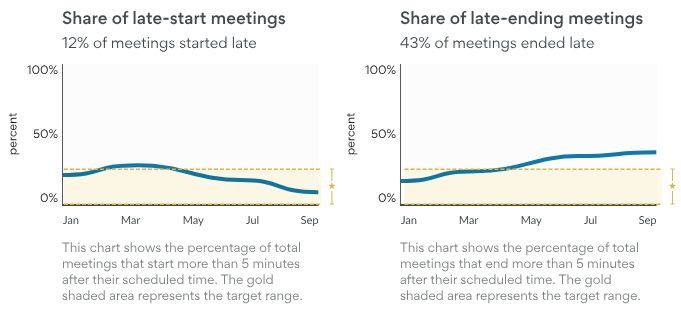
Decision quality improves when you can see patterns that predict slow decisions, such as oversized forums, recurring “decision” meetings that never conclude, and chronic overruns.
Worklytics provides real-time meeting effectiveness analytics and benchmarking, with metrics that help you spot wasted meeting time and fix the bottlenecks. Start with Worklytics Meeting Effectiveness, and if you want a quick list of practical KPIs, use these meeting effectiveness metrics.
Planning meetings fails when they end with intentions rather than commitments. A plan is only real if it changes what people do next and if it creates coordination that could not happen through isolated work.
If the work is owned by one person or one team with no dependencies, you do not need a planning meeting. You need a written plan and a single reviewer. Reserve live planning for multi-owner work where sequencing and handoffs are the real risk.
A blank-page planning meeting is a signal that upstream work is missing. The organizer should arrive with a draft work breakdown, a proposed timeline, and known risks, then use the meeting to assign ownership and validate sequencing. This reduces cognitive load in the meeting and increases the probability that owners leave with clarity.
For each deliverable, specify what will exist when it is done and what will be explicitly out of scope. This prevents misalignment that shows up later as rework.
Shared ownership creates diffused accountability. When two people own a task, each assumes the other will drive it, and the task becomes a status update instead of progress. A plan meeting succeeds when owners and dates are explicit and recorded.
Plans die in meeting notes. Record work where execution happens: Jira, Asana, Salesforce, a structured project doc, or your chosen tracker. The tool matters less than the discipline of updating it.
To measure whether planning meetings is improving productivity, you need more than subjective feedback. You need capacity and focus signals: meeting load, focus time, recurring meeting share, and fragmentation.
Worklytics is built to measure these drivers at the team level, with dashboards across calendar and collaboration tools. See Worklytics Productivity analytics for how it supports measuring productivity drivers without invasive monitoring.
Alignment is a shared understanding of goals, constraints, and interfaces. It matters most when multiple teams must make independent decisions that still need to fit together.
Use an alignment meeting when multiple teams need the same mental model before they can execute independently. Typical triggers include: shared customers, shared infrastructure, compliance constraints, or competing priorities on the same timeline.
If the real need is prioritization, do not call it alignment. Call it a decision meeting and name the Decider.
Before scheduling, write what alignment means in this context. A good checklist includes:
If you cannot write this, the meeting will turn into a rambling discussion. Wandering meetings do not create alignment because alignment requires a shared boundary around what is being aligned.
If the alignment discussion is really about goals and measurement, anchor it to an explicit goal framework. Google’s guide on setting goals with OKRs is a practical reference for structuring objectives and measurable results, which makes alignment falsifiable instead of rhetorical.
A one-pager forces clarity about what participants are aligning on. It also prevents the meeting from being used to “download context,” which is one of the most expensive uses of synchronous time.
For goal and success metric structure, Google’s re:Work guide on Set goals with OKRs is useful because it makes alignment falsifiable through measurable key results.
Do not ask “Are we aligned?” That question produces polite agreement. Instead, require each critical attendee to state: “We are doing X because Y, and my team owns Z by date D.”
If two people cannot state the same X and Y, you do not have alignment. If they cannot state Z and D, you do not have a plan, which means you accidentally ran a planning meeting without the right structure.
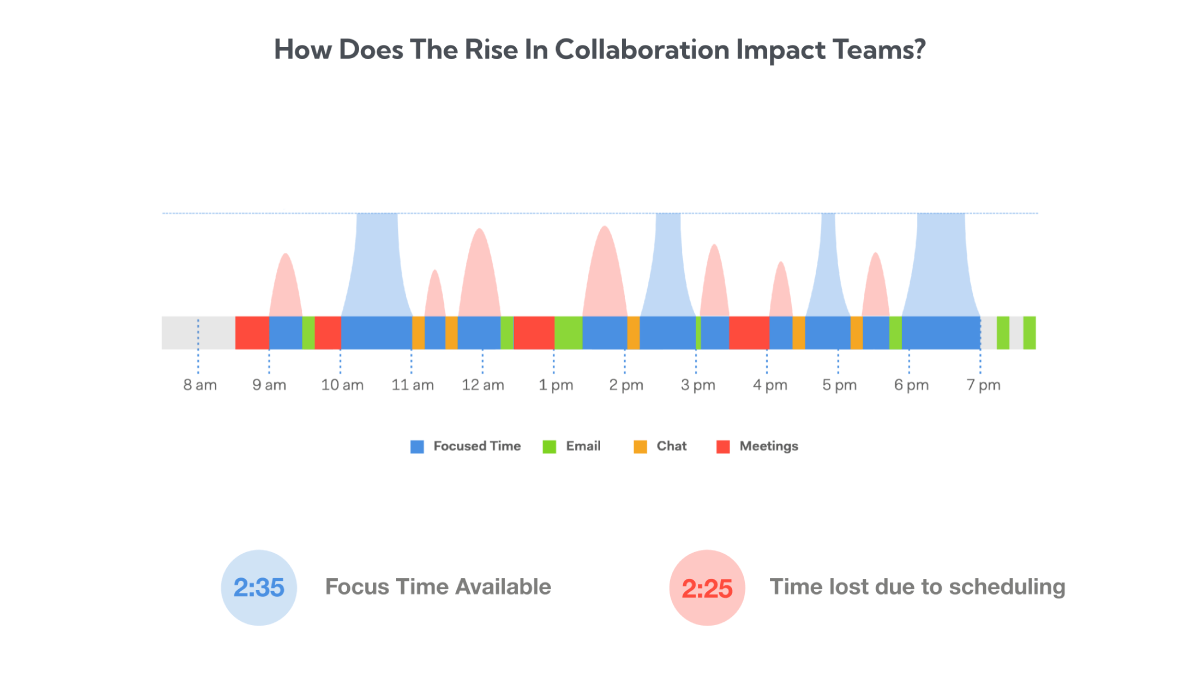
Alignment work is cognitively expensive, and fragmented calendars make it harder.
Research on interruptions shows measurable stress and reorientation costs. The academic baseline is The Cost of Interrupted Work.
Remote teams also need to manage video intensity. Stanford researchers have documented patterns of Zoom fatigue and differential impacts.
Operationally: avoid back-to-back alignment workshops, default to shorter sessions, and reserve video for moments where it materially improves the interaction.
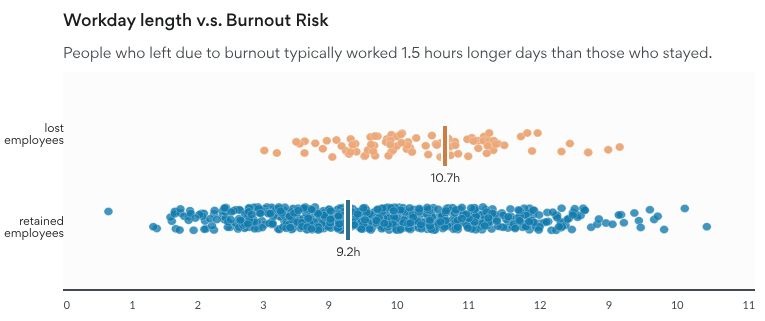
Misalignment shows up as duplicated work, slow handoffs, and coordination overload. Worklytics helps measure collaboration patterns that predict these problems and is also designed to surface leading indicators of burnout, such as back-to-back meetings, diminished focus time, and an unhealthy workday cadence.
When you need to measure employee engagement and well-being, Worklytics is especially useful because it reports trends at the group level and does not analyze message or document content, which is critical for employee trust.
Encode the outcome in the calendar title:
Then put the artifact link on the first line of the agenda.
Minimal agenda templates:
If the invite does not state an output, it should be declined or converted to async.
Even with clear outcomes, a few anti-patterns will pull you back into meeting sprawl. Treat these as operational defects, not personality issues.
Worklytics is built to track these patterns at the team level in real time, across calendar and collaboration tools, so you can fix meeting systems using data instead of anecdotes.
Meeting improvement fails when measurement feels like monitoring. The tool and the policy must protect trust.
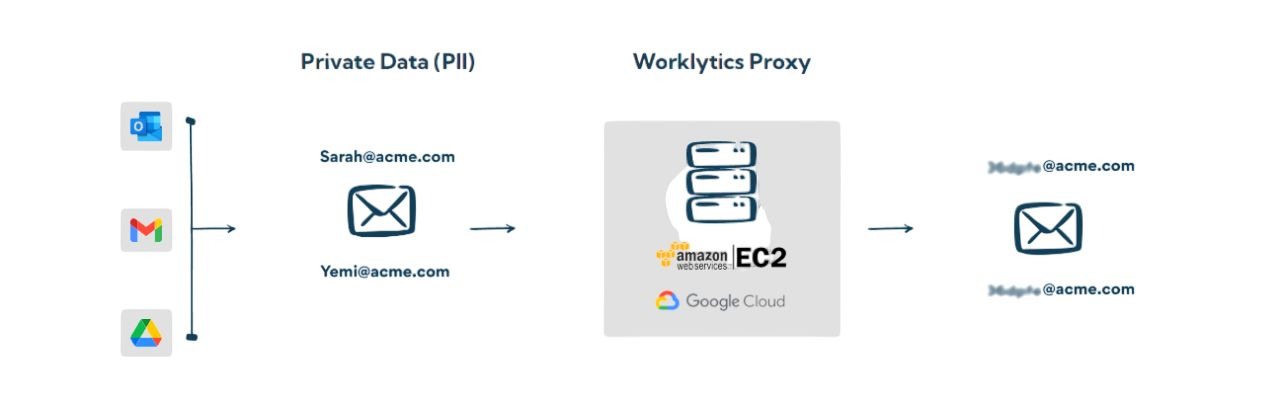
Worklytics is built around privacy protection: personal identifiers are stripped at ingestion, metrics are aggregated to the team level, and work content is not analyzed. The details are in Worklytics Protecting Privacy.
That privacy model is what makes it realistic to measure:
If you want the technical overview of how connectors ingest data from 25+ tools, anonymize and process it, and stream metrics to your warehouse or BI tools, see How Worklytics works.
Pick one primary output for the live meeting. Decide first, then plan with the executors. If planning reveals a constraint that changes the decision, take that constraint back to the Decider.
Convert updates to async. Keep live time for decisions and alignment. If a recurring update meeting cannot produce one of the three outcomes, cancel it.
Invite only those with a defined role in the artifact (Decide, Recommend, Input, Agree, Perform). Everyone else should be informed asynchronously through the decision record, plan tracker, or alignment one-pager.
Use the one-sentence alignment check. If people cannot state the goal, owner, and timeline consistently, you are not aligned. Update the one-pager and circulate it.
Use behavioral signals: meeting load, focus time fragmentation, recurring meeting share, meeting size, overruns, and downstream execution artifacts. Worklytics is designed to automate this using calendar and collaboration metadata.
It can if you track individuals or analyze content. Worklytics is designed to avoid both by stripping identifiers at ingestion, reporting at the group level, and never analyzing work content.
Back-to-back meeting patterns, shrinking focus time, and unhealthy workday cadence are early warning signs. Worklytics’ wellbeing metrics are designed to surface these risks at the team level so leaders can intervene early.
A meeting that does not produce a decision, a plan, or alignment should not exist.
Make the outcome explicit, design backwards from the artifact, and measure whether meeting time is turning into execution. Worklytics gives you the privacy-protected visibility needed to improve meeting effectiveness and the broader drivers of productivity, engagement, wellbeing, AI adoption, and manager effectiveness.