Worklytics and Clockwise take fundamentally different approaches to Google Calendar analytics in 2025, with pricing reflecting their distinct focuses. Clockwise charges $6.75-$11.50 per user monthly for AI-powered individual scheduling, while Worklytics uses enterprise band pricing for organization-wide analytics that processes over 400 metrics across 25+ workplace tools.
• Pricing models differ significantly: Clockwise maintains per-user pricing ($81-$138 annually), while Worklytics uses employee band licensing for enterprises
• Analytics scope varies: Worklytics generates 400+ organizational metrics including meeting costs and collaboration patterns, versus Clockwise's focus on personal schedule optimization
• Privacy approaches diverge: Worklytics implements data anonymization and aggregation for GDPR compliance, while Clockwise requires individual authentication for personalized AI scheduling
• Integration breadth: Worklytics analyzes data from over 25 tools including Google Calendar, compared to Clockwise's calendar-centric approach
• ROI impact: With executives spending 23 hours weekly in meetings, enterprise-wide analytics can identify systemic inefficiencies worth millions annually
When comparing Worklytics vs Clockwise for Google Calendar analytics, sharper calendar insights become critical as Workspace costs jump 47% and organizations face mounting pressure to justify every software investment. With Google's recent pricing changes and AI integrations fundamentally reshaping the productivity landscape, choosing the right calendar analytics platform can mean the difference between data-driven efficiency and costly blind spots.
The urgency for sophisticated Google Calendar analytics has never been higher. Workspace Business Plus subscriptions have increased from $18 to $26.40 per user. This represents a staggering 47% jump over two years.
Meanwhile, as one industry expert notes, "The average executive spends 23 hours a week in meetings, yet nearly half of those meetings could be cut without impacting productivity." Organizations now scrutinize every tool's ROI, demanding platforms that deliver measurable value beyond basic calendar visualization.
These converging pressures create a perfect storm. Rising software costs collide with declining productivity. The choice between team-level analytics and individual optimization tools directly impacts whether companies can identify and eliminate the inefficiencies bleeding their budgets dry.
Google's native Time Insights offers a starting point, providing structured weekly overviews of individual time allocation. However, these insights remain private to users by default, limiting organizational visibility. As 160 million meeting data points flow through calendars daily, enterprises need platforms capable of surfacing patterns that individual tools simply cannot detect.
The pricing landscape for calendar analytics has shifted dramatically alongside Google's restructuring. Clockwise now lists at $6.75-$11.50 per user monthly when billed annually. Their Teams plans cost $81 and Business plans cost $138 per user per year.
Market data reveals median buyers paying $707 per account, though enterprise deals vary widely. Worklytics takes a different approach with straightforward enterprise licensing that scales by employee bands rather than per-user pricing.
This model becomes particularly attractive as organizations grapple with Google's price increases. Business Standard rose 17% while companies previously paying $20-30 for Gemini add-ons now receive AI features bundled at higher base prices.
Both platforms offer free trials, but their value propositions diverge sharply. Clockwise maintains a freemium model focused on individual users. Worklytics targets enterprise buyers seeking organization-wide analytics without AI surcharges. This distinction matters more as flexible Workspace plans see increases approaching 50%, forcing IT leaders to maximize value from every integration.
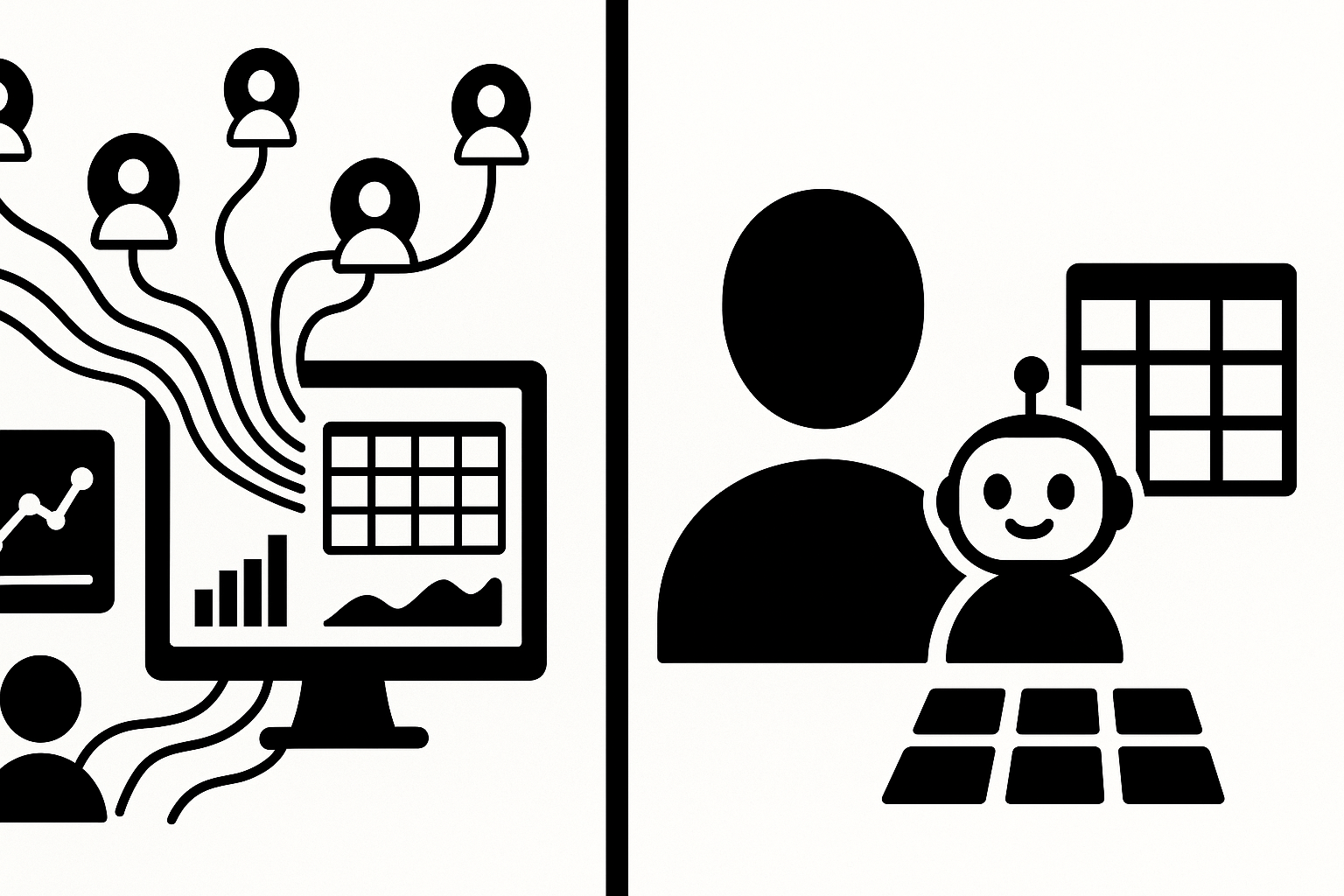
The fundamental divide between Worklytics and Clockwise lies in their analytical scope and depth. Worklytics processes calendar data to generate over 400 metrics across team collaboration, meeting effectiveness, and organizational patterns. Its real-time team metrics surface insights invisible to individual-focused tools.
Clockwise operates differently, using AI to automate scheduling and protect focus time for individual users. The platform helps professionals find perfect time slots automatically, reducing the cognitive load of calendar management. This personal productivity focus delivers immediate individual benefits but lacks the organizational visibility enterprises require.
The distinction becomes clearer when examining specific capabilities. While Clockwise excels at creating 10+ hours of deep work in users' first month, Worklytics reveals enterprise-wide patterns like workday intensity. The platform measures this as digital work percentage of overall workday span. These complementary approaches serve different organizational needs.
Worklytics transforms raw calendar data into strategic intelligence through comprehensive analytics:
• Meeting cost analysis across departments and teams
• Collaboration load metrics revealing overburden patterns
• Manager scorecards with privacy-preserving aggregation
• BigQuery export functionality for custom analysis
• Cross-platform integration analyzing 25+ workplace tools
• Focus time tracking that excludes Focus Block events from meeting counts
This breadth enables IT leaders to identify systemic inefficiencies rather than just individual scheduling conflicts.
Clockwise emphasizes individual optimization through intelligent automation:
• AI-driven scheduling that finds optimal meeting times
• Automatic focus time blocks for uninterrupted work
• Task scheduling that finds perfect slots for to-dos
• Meeting conflict resolution without manual intervention
• Team calendar synchronization for better collaboration
• Personal time management based on productivity preferences
These features excel at reducing individual calendar friction but provide limited organizational analytics.
Privacy considerations have intensified as calendar analytics become more sophisticated. Worklytics implements data anonymization and aggregation from the ground up, ensuring compliance with GDPR, CCPA, and emerging regulations. The platform explicitly avoids tracking individual behavior or assigning productivity ratings.
Clockwise maintains SOC 2 and GDPR compliance while processing calendar data for optimization. However, its individual-focused model inherently requires more granular personal data processing to deliver personalized scheduling recommendations. The platform requires authentication through GSuite or M365 accounts.
As the EU Data Act applies from September 2025, both platforms must navigate stricter data portability and interoperability requirements. The aggregated approach of Worklytics may provide advantages for enterprises concerned about individual privacy while still deriving organizational insights.
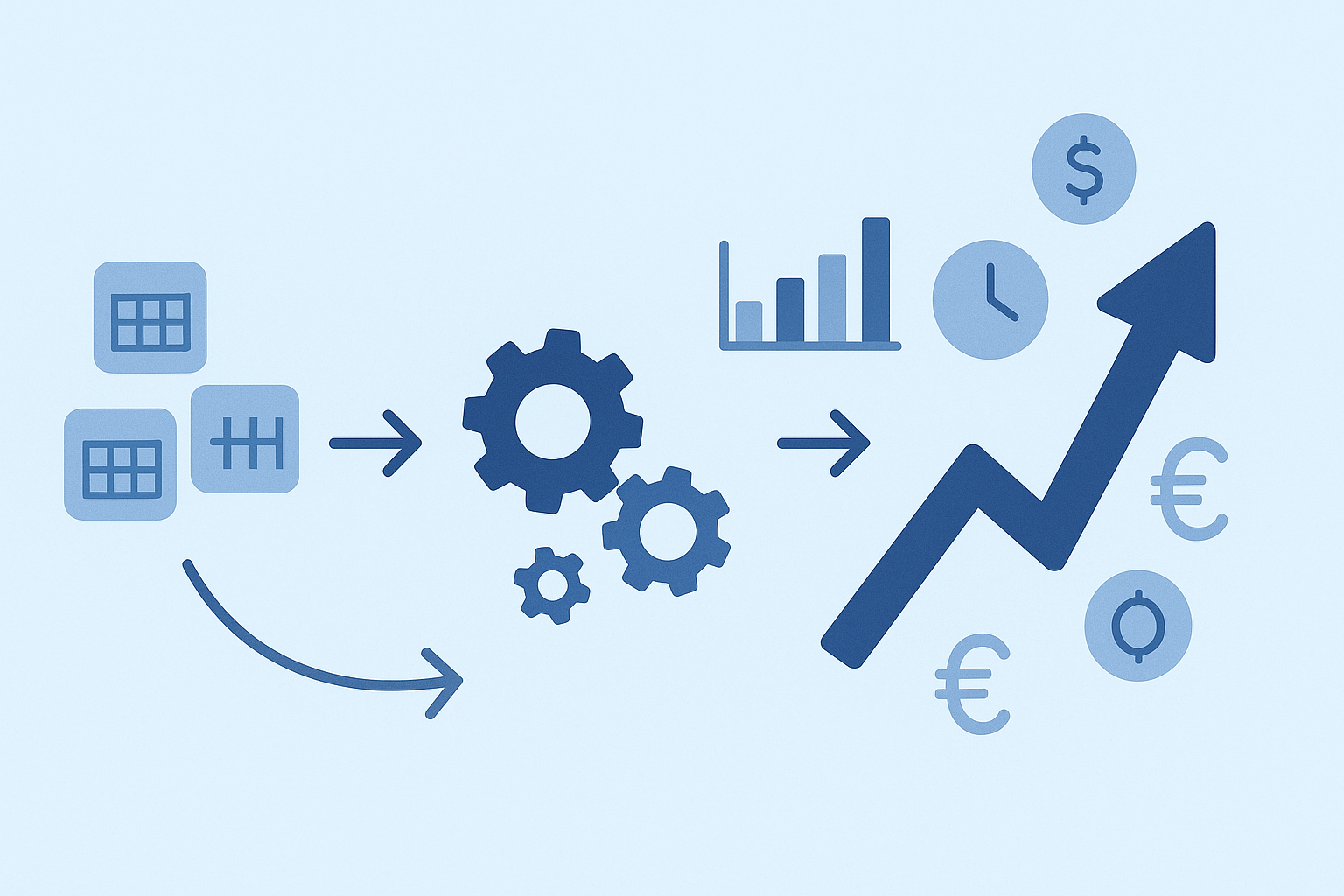
The financial impact of calendar optimization extends far beyond subscription costs. With executives spending 23 hours weekly in meetings, organizations hemorrhage productivity worth millions annually. Worklytics quantifies these losses through meeting cost calculations and collaboration load metrics.
Google's decision to bundle Gemini AI without separate fees changes the ROI equation. Companies previously paying $20-30 per user for AI add-ons now receive these capabilities within higher base prices. This shift makes standalone analytics platforms more valuable. They must deliver insights that justify their cost against "free" bundled AI.
Consider the numbers: A 500-person organization seeing Business Standard increase from $12 to $14 per user saves on AI fees but faces higher base costs. Calendar analytics that reduce meetings by just 10% could save hundreds of productive hours weekly, dwarfing any platform investment.
Key takeaway: ROI calculations must account for both direct cost savings and productivity gains, with enterprise-wide analytics typically delivering higher multiples than individual optimization tools.
Selecting between Worklytics and Clockwise requires aligning platform capabilities with organizational priorities. The Gartner Hype Cycle suggests evaluating innovations through evidence-backed frameworks rather than feature comparisons alone.
Evaluation criteria should include:
• Scope of analytics: Organization-wide insights vs. individual optimization
• Integration breadth: Single-tool focus vs. 25+ platform analysis
• Privacy approach: Aggregated anonymization vs. personalized processing
• Pricing model: Per-user costs vs. enterprise bands
• AI capabilities: Bundled features vs. standalone analytics
• Export options: BigQuery compatibility for custom analysis
• Compliance readiness: GDPR, CCPA, and EU Data Act preparation
Migration considerations also matter. The integration with common applications enables gradual rollout without disrupting existing workflows. Meanwhile, organizations must analyze calendar data to understand current patterns before implementing changes.
The decision ultimately depends on whether organizations need visibility into systemic inefficiencies or want to optimize individual productivity. Many enterprises find value in both approaches, though budget constraints often force prioritization.
The calendar analytics landscape has fundamentally shifted. Rising Workspace costs, bundled AI features, and productivity pressures create new evaluation criteria for platform selection. Worklytics delivers organization-wide visibility through 400+ metrics and privacy-preserving analytics, while Clockwise focuses on individual schedule optimization through AI automation.
For enterprises seeking to understand and optimize organizational productivity, Worklytics provides the depth and breadth necessary for strategic decision-making. Its enterprise licensing model, BigQuery export capabilities, and cross-platform integration deliver insights that justify investment even as software budgets tighten.
As calendar data becomes increasingly valuable for productivity optimization, choosing the right analytics platform determines whether organizations merely track time or truly transform how work gets done. With meeting costs spiraling and AI reshaping workplace dynamics, the question isn't whether to invest in calendar analytics. It's which approach delivers the insights your organization needs to thrive.
Worklytics offers organization-wide analytics with over 400 metrics, focusing on team collaboration and meeting effectiveness. Clockwise, on the other hand, emphasizes individual optimization through AI-driven scheduling and personal focus blocks.
Clockwise's pricing ranges from $6.75 to $11.50 per user monthly, while Worklytics uses an enterprise licensing model that scales by employee bands, offering a more straightforward approach for larger organizations.
Worklytics ensures data privacy through anonymization and aggregation, complying with GDPR and CCPA. Clockwise maintains SOC 2 and GDPR compliance but requires more granular data processing for personalized scheduling.
Worklytics provides comprehensive analytics that can identify systemic inefficiencies, offering significant productivity gains that justify its cost, even as Google bundles AI features into higher base prices.
Organizations should evaluate the scope of analytics, integration breadth, privacy approach, pricing model, AI capabilities, export options, and compliance readiness to align with their priorities and needs.
2. https://www.worklytics.co/integrations/google-calendar-data-analytics
3. https://www.worklytics.co/integrations/microsoft-teams-data-analytics
4. https://www.crn.com/news/cloud/2025/google-workspace-gemini-ai-price-changes-5-big-things-to-know
5. https://www.worklytics.co/blog/how-google-calendar-time-insights-can-boost-productivity
7. https://www.clockwise.com/pricing
8. https://cledara.com/glossary/clockwise
10. https://worklytics.co/integrations/google-calendar-data-analytics
12. https://worklytics.co/resources/gdpr-compliant-productivity-tracking-google-workspace-calendar-2025