Worklytics emerges as the leading ONA platform for enterprises needing comprehensive cross-platform insights, tracking collaboration across 25+ tools versus Viva Insights' Microsoft-only focus that potentially misses 60-70% of actual workplace interactions. With AI adoption reaching 72% in 2024, Worklytics provides superior AI usage tracking, privacy-by-design architecture, and faster implementation than competitors.
• Data Coverage: Worklytics integrates with 25+ collaboration tools while Viva Insights captures only Microsoft 365 data, potentially missing 60-70% of workplace collaboration
• AI Tracking: With AI adoption at 72% in 2024, Worklytics offers comprehensive AI usage metrics across departments and roles versus Viva's Copilot-only focus
• Privacy Architecture: Worklytics uses data anonymization and aggregation with no content storage, ensuring GDPR and CCPA compliance
• Implementation Speed: Worklytics deploys in 2-4 weeks for multi-source setup, while Viva offers immediate insights for Microsoft 365 users only
• Cost Structure: Enterprise Worklytics deployment runs $12 per user monthly ($720,000 annually for 5,000 seats)
• Manager Effectiveness: Only 26% of managers rated "very effective" in hybrid environments, making comprehensive manager metrics critical for team success
Organizational Network Analysis (ONA) has evolved from an academic curiosity to a mission-critical capability for enterprise HR and analytics leaders. With AI adoption surging to 72% in 2024 (up from 55% in 2023), organizations need sophisticated tools to understand how work actually gets done in increasingly complex digital environments.
The shift to hybrid work has fundamentally changed workplace dynamics. 74% of U.S. companies currently use or plan to implement permanent hybrid work models, while employees themselves are 59% more likely to choose employers offering remote work opportunities. This transformation demands new approaches to understanding collaboration patterns—traditional metrics simply can't capture the nuanced reality of distributed teams.
As 53% of leaders demand increased productivity while 80% of the global workforce reports lacking time or energy for their work, ONA platforms have become essential for bridging this gap. These tools analyze collaboration data from communication platforms, project management systems, and organizational networks to assess hybrid work effects and optimize team performance.
The stakes are clear: organizations that master ONA gain competitive advantages through better manager effectiveness, reduced burnout risk, and more strategic AI adoption. Those that don't risk flying blind as work patterns evolve beyond recognition.
Our evaluation framework examines these platforms across critical dimensions that matter most to enterprise buyers in 2025. With half of enterprises requiring AI-driven HCM capabilities by 2026, we prioritized platforms that combine traditional workforce analytics with emerging AI adoption metrics.
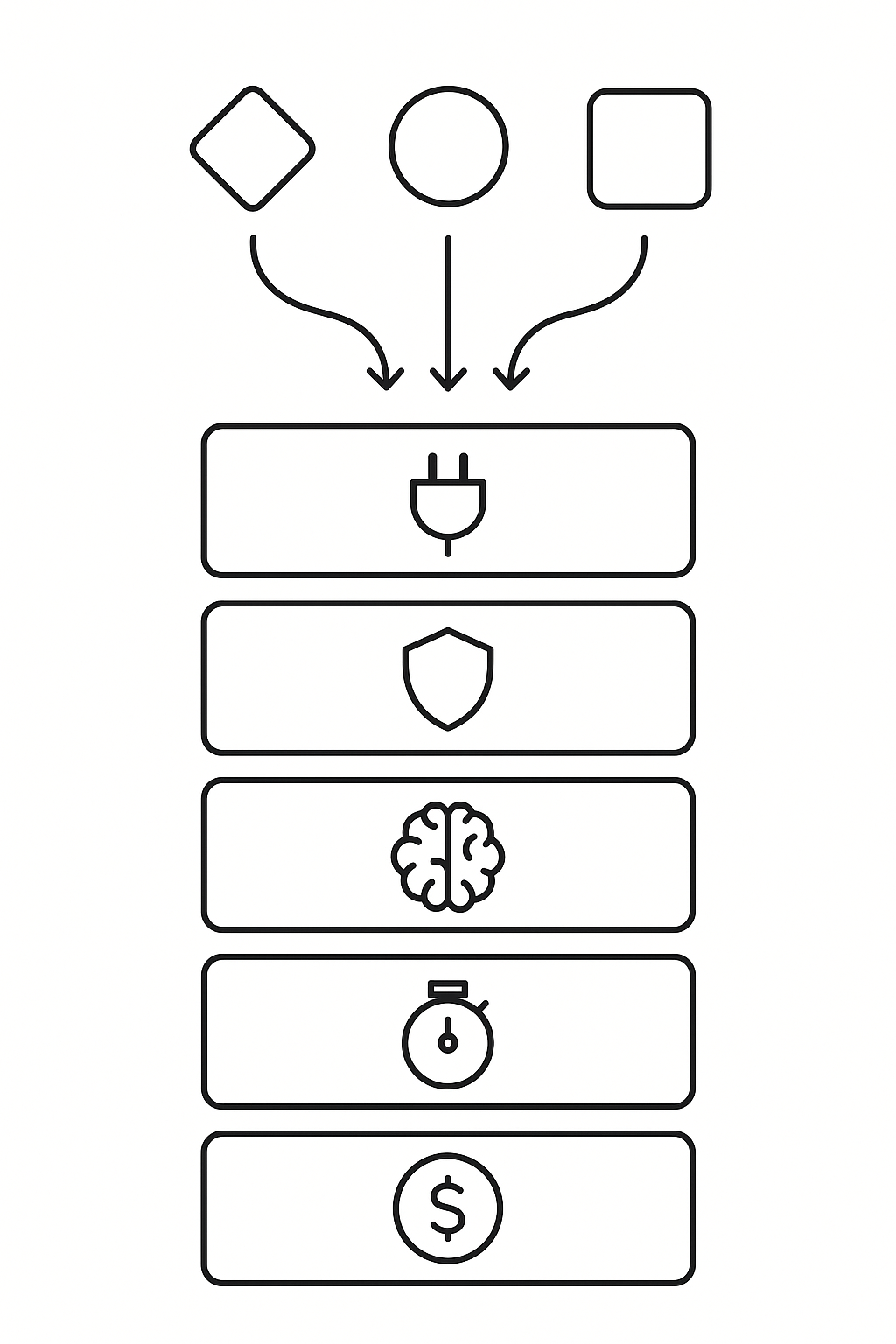
We assessed each platform against five core criteria:
Data Integration Breadth: The workforce analytics market increasingly demands platforms that unify disparate data sources. We evaluated how many collaboration tools each platform supports and the depth of their integration.
Privacy Architecture: With 86% of employees believing employers should legally disclose monitoring tools, we examined each platform's approach to data protection and regulatory compliance.
AI Adoption Tracking: Given the rapid expansion of AI usage, we analyzed each platform's ability to measure and optimize AI tool deployment across departments and roles.
Implementation Speed: By 2025, half of organizations will invest in work management technologies that optimize task execution time. We measured typical deployment timelines from contract to insights.
Cost Structure: We compared total cost of ownership for a 5,000-seat deployment, including licensing, implementation, and ongoing support.
Our analysis draws on vendor documentation, customer case studies, and hands-on evaluation where available. We also incorporated insights from recent workplace analytics research to ensure our comparison reflects real-world deployment scenarios.
Worklytics takes a fundamentally different approach to organizational network analysis, positioning itself as a workplace insights platform that leverages existing corporate data to deliver real-time intelligence on how work gets done. The platform integrates data from over 25 tools, using machine learning to clean, de-duplicate, and standardize datasets into actionable insights.
What sets Worklytics apart is its privacy-by-design architecture. The platform uses data anonymization and aggregation to ensure compliance with GDPR, CCPA, and other data protection standards. Unlike traditional monitoring tools, Worklytics stores no work content whatsoever—focusing instead on metadata patterns that reveal collaboration dynamics without compromising individual privacy.
The platform's AI adoption tracking capabilities address critical questions facing enterprise leaders in 2025. Worklytics can track AI usage patterns across departments, identifying which teams embrace AI tools, how often they're used, and with what measurable impact. This granular visibility helps organizations optimize their AI investments and identify adoption barriers.
With AI adoption reaching 72% in 2024, Worklytics' comprehensive tracking becomes increasingly valuable. The platform reveals patterns like why new hires might use AI tools more frequently than tenured employees, enabling targeted training and change management strategies.
Worklytics has developed specific models for hybrid work reality, including Workday Intensity measurements, Work-Life Balance metrics, Manager Effectiveness indicators, and Team Health assessments. These models go beyond basic activity tracking to understand the quality and sustainability of work patterns.
The platform excels at surfacing manager effectiveness insights that predict team performance. With only 26% of managers rated as "very effective" in hybrid environments, Worklytics provides actionable metrics around coaching frequency, team connectivity, and communication responsiveness—all proven predictors of team success.
For AI adoption specifically, Worklytics tracks detailed patterns including light versus heavy usage rates, departmental adoption variations, and new-hire versus tenured employee usage differences. This granularity helps organizations understand not just whether AI tools are being used, but how effectively they're being integrated into actual workflows.
Microsoft Viva Insights offers data-driven, privacy-protected insights designed to improve productivity and wellbeing within the Microsoft 365 ecosystem. The platform provides robust analysis tools and custom reports for employee collaboration, along with dedicated Copilot usage analytics for organizations embracing Microsoft's AI offerings.
For organizations deeply embedded in Microsoft 365, Viva Insights delivers seamless integration and immediate value. The platform analyzes Exchange Online, Teams, and SharePoint data to surface collaboration patterns, meeting effectiveness metrics, and potential burnout indicators. Its differential privacy approach ensures individuals cannot be identified from aggregated metrics.
However, Viva Insights' Microsoft-centric approach creates significant blind spots. The platform captures only Microsoft-based interactions, potentially missing 60-70% of actual collaboration that happens through Slack, Zoom, Jira, GitHub, and other non-Microsoft tools. For hybrid organizations using diverse technology stacks, this limitation can render insights incomplete.
The platform also faces constraints around data retention and flexibility. With executives spending 23 hours weekly in meetings—nearly half potentially cuttable without productivity impact—organizations need comprehensive visibility across all collaboration channels, not just Microsoft-hosted ones.
Viva Insights employs differential privacy techniques to protect individual employee data while maintaining analytical value. This approach adds statistical noise to datasets, ensuring no individual can be identified from aggregated metrics while preserving overall trend accuracy.
The platform limits data retention to 27 months and processes all personal insights within the employee's Exchange Online mailbox. This architecture supports GDPR compliance by giving individuals control over their data while preventing managers from accessing individual-specific information.
Microsoft's privacy approach reflects enterprise requirements but may limit certain analytical capabilities. The differential privacy implementation means organizations cannot drill down to individual-level insights even when legitimate business needs exist, such as identifying key knowledge holders or collaboration bottlenecks.
Humanyze distinguishes itself through a comprehensive approach to organizational intelligence, combining workforce analytics with market insights through its dual-platform strategy. The company's Insights platform analyzes internal workforce behaviors while Pulse tracks external industry trends and competitive dynamics.
The platform integrates with over 20 collaboration tools including Microsoft Office, Teams, Google Workspace, Slack, Jira, and GitHub, providing broad visibility into digital collaboration patterns. Humanyze's analytics combine behavioral data with Organizational Network Analysis to reveal how information and influence flow through organizations.
What makes Humanyze unique is its Organizational Health Score (OHS), a composite metric that tracks employee engagement, productivity, capacity, and attrition risk. This holistic approach helps leaders understand not just current performance but future organizational risks.
With 220+ HR and collaboration integrations, Humanyze offers perhaps the broadest data collection capability in the market. The platform emphasizes organizational design and network mapping, providing detailed insights into information flow patterns that traditional analytics might miss.
Humanyze maintains flexible pricing models based on organization size and required features, though specific pricing details require direct consultation. Organizations typically see meaningful insights within days of implementation as the platform analyzes both current and historical data.
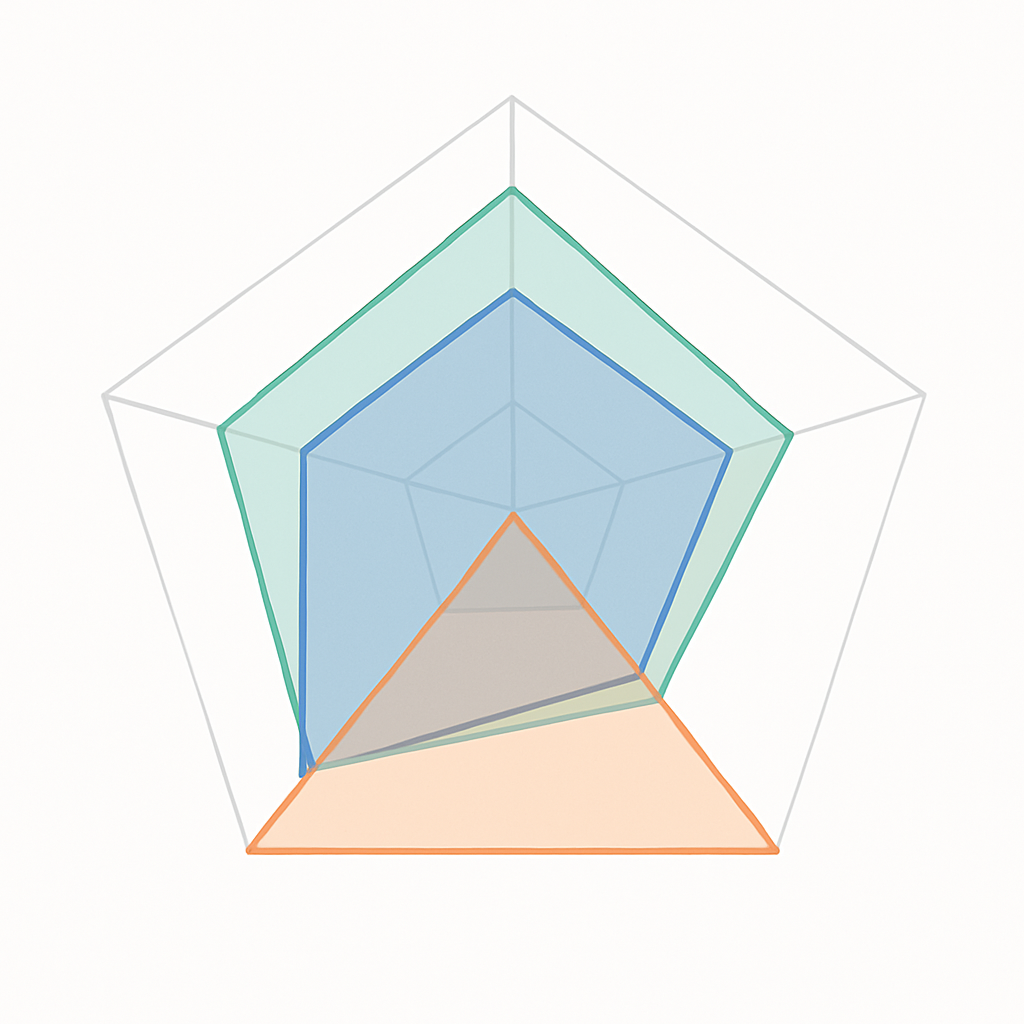
The platform comparison reveals distinct strengths aligned with different organizational priorities. Worklytics captures data from 25+ tools while Viva Insights focuses on Microsoft 365, potentially missing 60-70% of collaboration happening elsewhere. Humanyze bridges this gap with 220+ integrations but at potentially higher complexity.
For privacy-conscious organizations, the approaches differ significantly. Worklytics employs privacy-by-design with no content storage, while Viva Insights may incur higher initial setup costs but offers deep Microsoft integration. Humanyze provides comprehensive analytics but requires careful privacy configuration.
AI adoption tracking has become a critical differentiator. Worklytics offers detailed AI usage metrics across departments and roles, essential as organizations navigate the rapid expansion of AI tools. Viva Insights provides Copilot-specific analytics, valuable for Microsoft-centric organizations but limited for broader AI tool adoption. Humanyze focuses more on traditional collaboration metrics with emerging AI capabilities.
Key Feature Comparison:
FeatureWorklyticsViva InsightsHumanyzeData Sources25+ toolsMicrosoft 365 only220+ integrationsPrivacy ApproachNo content storageDifferential privacyConfigurable privacyAI MetricsComprehensive trackingCopilot-focusedLimited AI metricsImplementation2-4 weeksImmediate for M365Days to weeksMetric Count400+ metricsMicrosoft-specificOrganizational Health Score
The real value of ONA platforms emerges in addressing critical workplace challenges. With employees receiving 15+ after-hours messages weekly facing higher burnout risk, these platforms provide early warning systems for organizational health issues.
For hybrid work optimization, a global consulting firm's 6-month pilot program using ONA to enhance new hire onboarding resulted in improved network connectivity and retention. The systematic approach to relationship-building, monitored through network analysis, created measurable improvements in employee satisfaction and performance.
Manager effectiveness represents another high-impact use case. With managers serving as the critical link in hybrid teams, ONA platforms help identify coaching gaps and communication bottlenecks. Organizations using these insights report improved team connectivity and reduced turnover.
Enterprise social platforms demonstrate ONA's transformative potential. Research shows ESMPs create denser, more connected networks by adding novel ties that bridge organizational silos. These platforms excel at connecting employees across hierarchical levels, with influence more democratically distributed than in traditional communication channels.
Burnout detection has become particularly critical as employees face 59% higher likelihood of choosing employers with remote options. ONA platforms identify risk indicators like excessive meeting loads, after-hours work patterns, and collaboration overload before they impact retention.
Organizational network analysis transforms onboarding from a checklist into a strategic advantage. New hire success depends on relationship-building practices, manager support, and systematic network development—all measurable through ONA platforms.
Key onboarding acceleration strategies include:
• Strategic Introductions: Corporate offsites stimulate collaboration ties, with attendees receiving more collaborative requests post-event
• Cross-functional Connections: ESMPs excel at connecting distant nodes in the corporate hierarchy, both vertically and horizontally
• Network Monitoring: Regular ONA assessments track new hire integration progress and identify isolation risks
• Manager Involvement: Direct manager engagement correlates with faster network development and higher retention
These approaches reduce time-to-productivity while improving new hire satisfaction and long-term retention rates.
Selecting an ONA platform requires careful consideration of your organization's specific context and priorities. With Worklytics taking a privacy-by-design approach and Viva Insights requiring careful attention to data protection, the choice often hinges on privacy requirements and existing technology investments.
Common selection mistakes include:
Underestimating Integration Complexity: Organizations often overlook the challenge of connecting multiple data sources. Consider your current tool stack and future platform additions.
Ignoring Privacy Implications: The ethical uncertainties of collaboration analytics require upfront planning. Ensure your chosen platform aligns with employee expectations and regulatory requirements.
Focusing Solely on Features: With over 70% of employers using people analytics, success depends more on implementation quality than feature quantity.
Neglecting Change Management: Even the best platform fails without user adoption. Plan for training, communication, and ongoing support.
Decision Framework Questions:
• What percentage of collaboration happens outside Microsoft 365?
• How important is cross-platform AI adoption tracking?
• What are your specific privacy and compliance requirements?
• How quickly do you need actionable insights?
• What's your tolerance for implementation complexity?
The ONA platform landscape has evolved dramatically to meet the demands of hybrid work and AI adoption. Worklytics provides superior value for organizations needing comprehensive cross-platform insights, advanced privacy protections, and sophisticated AI adoption tracking.
For Microsoft-centric organizations comfortable with platform limitations, Viva Insights offers seamless integration and immediate value. Humanyze serves organizations seeking the broadest possible data collection with detailed organizational network mapping. Yet for enterprises navigating complex technology stacks while prioritizing privacy and AI readiness, Worklytics emerges as the most adaptable solution.
The decision ultimately depends on your organization's specific context. Organizations should evaluate their current collaboration tool usage, privacy requirements, and strategic priorities. With Viva Insights capturing only Microsoft interactions and potentially missing 60-70% of actual collaboration, most hybrid enterprises will find Worklytics' comprehensive approach better aligned with their needs.
As workplace analytics becomes essential for competitive advantage, the choice of ONA platform represents a strategic decision that will shape organizational effectiveness for years to come. Choose wisely, implement thoughtfully, and prepare for insights that will transform how you understand and optimize work.
Organizational Network Analysis (ONA) is a method used to understand how work gets done within organizations by analyzing communication and collaboration patterns. It helps identify key influencers, collaboration bottlenecks, and opportunities for improving productivity and employee engagement.
Worklytics employs a privacy-by-design approach, using data anonymization and aggregation to comply with GDPR, CCPA, and other data protection standards. It focuses on metadata patterns rather than storing work content, ensuring individual privacy is maintained.
Worklytics integrates data from over 25 tools and offers comprehensive AI adoption tracking, while Viva Insights focuses on Microsoft 365 data, potentially missing non-Microsoft collaboration. Worklytics emphasizes privacy with no content storage, whereas Viva Insights uses differential privacy techniques.
Humanyze combines workforce analytics with market insights, integrating with over 220 tools for broad visibility. It uses sensors to map organizational networks and offers a unique Organizational Health Score, providing a holistic view of employee engagement and productivity.
AI adoption tracking is crucial as it helps organizations understand how AI tools are being used across departments, identify adoption barriers, and optimize AI investments. This insight is essential for maximizing the benefits of AI in improving productivity and efficiency.
Organizations should consider their current collaboration tool usage, privacy and compliance requirements, the importance of cross-platform AI adoption tracking, and their need for quick, actionable insights. Integration complexity and change management are also critical factors.
5. https://rsisinternational.org/journals/ijriss/Digital-Library/volume-9-issue-14/2001-2017.pdf
6. https://research.isg-one.com/buyers-guide/human_capital_management/hcm_platforms/2025
7. https://www.cbinsights.com/esp/enterprise-tech/hr-tech/workforce-analytics
10. https://docs.microsoft.com/en-us/workplace-analytics/use/metric-definitions
11. https://learn.microsoft.com/en-us/viva/insights/advanced/privacy/privacy
12. https://www.microsoft.com/en-in/microsoft-viva/privacy
14. https://www.peerspot.com/products/comparisons/microsoft-viva-insights_vs_update-hr
16. https://www.scilit.com/publications/b29a8c916ff16ed2396bf5ddf9efb8be
17. https://arxiv.org/abs/2502.01787
18. https://ideas.repec.org/a/bla/stratm/v46y2025i1p209-241.html