Worklytics excels at privacy-first organizational network analysis with 400+ out-of-the-box metrics and real-time insights from 25+ integrations, while Polinode focuses on interactive network visualizations combined with survey tools. Worklytics' automatic anonymization at ingestion and continuous data analysis make it ideal for enterprises requiring scalable, compliant workplace analytics without survey fatigue.
• Worklytics offers 25+ pre-built connectors including AI tools like ChatGPT and Copilot, while Polinode covers core platforms like Office 365 and Slack
• Privacy approaches differ significantly: Worklytics strips personal identifiers automatically at ingestion, Polinode relies on metadata-only access
• Data refresh rates vary: Worklytics provides real-time continuous analysis versus Polinode's 24-hour refresh cycle
• Worklytics delivers 400+ metrics for comprehensive workplace analytics, Polinode offers 30+ network-specific metrics
• Polinode uniquely combines passive and active ONA with integrated survey tools for targeted organizational studies
Worklytics vs Polinode is the 2025 matchup every HR analytics leader is asking about. With organizational network analysis (ONA) becoming mission-critical for understanding workplace dynamics, choosing the right platform can mean the difference between surface-level insights and transformative organizational intelligence. This comprehensive comparison examines how these two leading platforms approach the challenge of mapping, measuring, and optimizing workplace networks.
Organizational Network Analysis is the practice of analyzing an organization as a network - it's about collecting data on who is working with whom inside of an organization and then utilizing that data to provide insight and ultimately improve the way that organizations function.
The rise of hybrid work and AI adoption has made understanding organizational networks more critical than ever. Passive organizational network analysis utilizes the digital communication data that organizations naturally produce to understand and analyze the informal networks of that organization. This approach has evolved from manual sociograms in the 1930s to sophisticated digital platforms that can process millions of interactions in real-time.
Passive ONA is where we tap into the digital exhaust of an organization, for example using email or calendar data. Unlike survey-based approaches that require employee time and participation, passive ONA continuously analyzes existing communication patterns to reveal hidden collaboration dynamics, identify bottlenecks, and surface opportunities for organizational improvement.
The shift toward passive ONA reflects a broader trend in workplace analytics: organizations need real-time, privacy-compliant insights that don't burden employees with additional surveys or manual data collection. As AI adoption transforms how teams collaborate, understanding these evolving network patterns becomes essential for maintaining productivity and innovation.
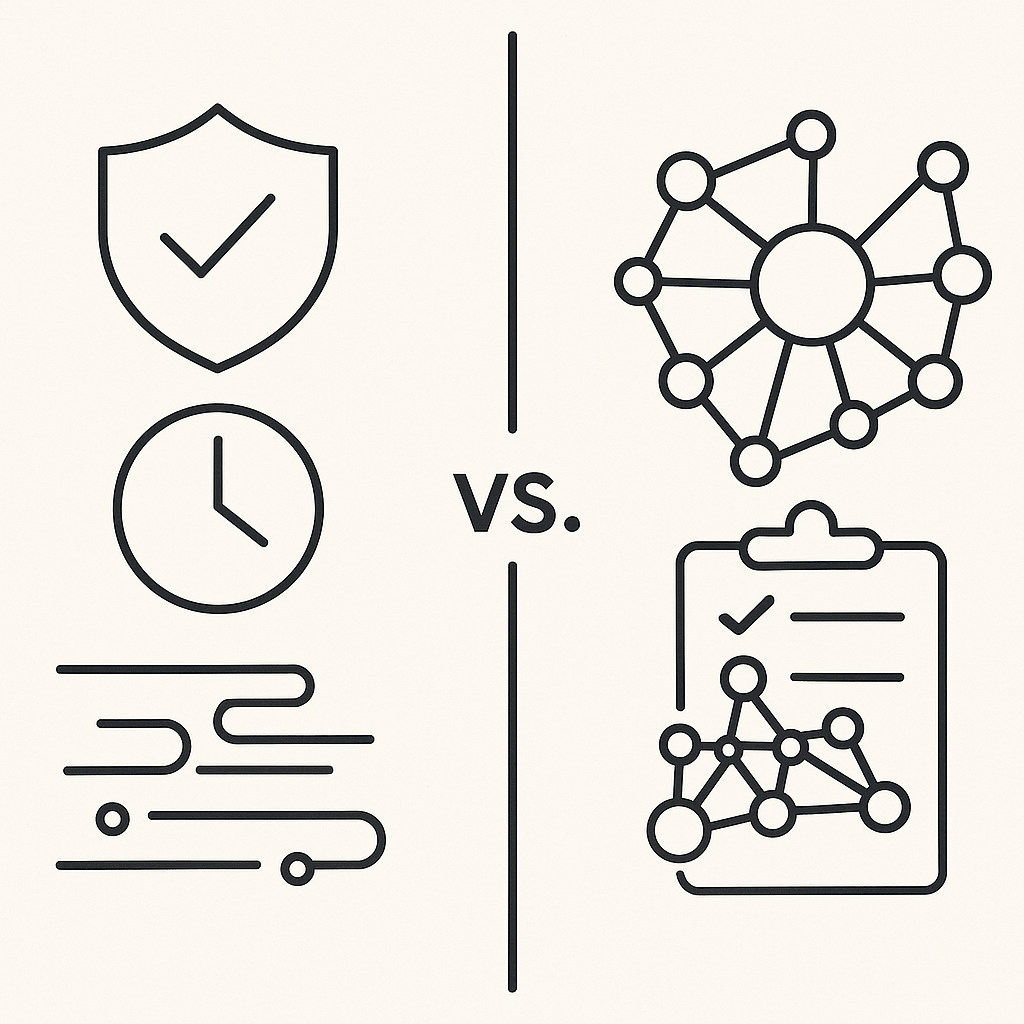
Worklytics focuses on privacy-first real-time insights with extensive integrations, while Polinode emphasizes network visualization and survey-based analysis. This fundamental difference shapes how each platform serves enterprise needs.
FeatureWorklyticsPolinodePrimary FocusPrivacy-first analytics with real-time insightsNetwork visualization and survey-based ONAIntegration Ecosystem25+ pre-built connectors including Office 365, Slack, Google WorkspaceOffice 365, Google Workspace, Microsoft Teams, SlackKey Metrics400+ out-of-the-box metrics30+ network analysis metricsData RefreshReal-time continuous analysisEvery 24 hoursPrivacy ApproachAutomatic anonymization at ingestionMetadata-only accessAI CapabilitiesDepartment-level AI usage trackingLimited AI-specific featuresVisualizationDashboard-focused with API exportInteractive network graphsSurvey ToolsNot emphasizedIntegrated flexible survey platform
Everything you need to analyze organizational networks in one place - Polinode offers custom survey tools, built-in passive data integrations and fully customizable network visualizations. However, Worklytics excels in integration breadth with 25+ pre-built connectors and strong privacy features including automatic anonymization.
The platforms diverge significantly in their approach to data collection and analysis. Worklytics emphasizes continuous, automated insights from existing digital tools, while Polinode combines passive data collection with active survey capabilities for a more comprehensive but potentially more resource-intensive approach.
Any personal identifiers within the data are stripped automatically when it is first ingested and any analyses provided back are only at the group/team level (with a minimum group size of 8). This privacy-first architecture sets Worklytics apart in the ONA landscape.
AI adoption in companies surging to 72% in 2024 (up from 55% in 2023) has created new demands for workplace analytics platforms. Worklytics has responded by building comprehensive AI tracking capabilities that monitor adoption patterns across departments and tools while maintaining strict privacy standards.
Get quick access to common ONA metrics including in-degree, out-degree, eigen-centrality, betweenness-centrality and more. The platform's 400+ metrics provide unprecedented depth for understanding workplace dynamics, from collaboration patterns to meeting effectiveness. These metrics are generated automatically and pushed to enterprise data warehouses, enabling sophisticated analysis without extensive data engineering.
Worklytics' commitment to privacy extends beyond simple anonymization. The platform never processes or stores message content, focusing exclusively on metadata and interaction patterns. This approach ensures compliance with GDPR and CCPA while still delivering actionable insights about organizational health and productivity.
Worklytics provides a 360-degree view of how AI is permeating organizations through:
• Department-level AI usage tracking
• Tool-specific analytics for platforms like ChatGPT, Copilot, and Gemini
• Impact measurement on productivity and collaboration
• Real-time dashboards showing adoption trends
Gain visibility into usage trends, identify where adoption is thriving or lagging, and monitor key metrics like activation rates, frequency of use, and the impact on productivity. This granular tracking helps organizations understand not just whether AI tools are being used, but how effectively they're being integrated into workflows.
For hybrid work patterns, Worklytics has developed specialized models including Workday Intensity metrics that measure time spent on digital work as a percentage of overall workday span. These insights help organizations optimize their hybrid policies based on actual work patterns rather than assumptions.
With 30+ metrics included, Polinode is built to visualize and analyze as many as 50k nodes and 250k edges. This visualization capability represents Polinode's core strength - the ability to create interactive, explorable network maps that reveal organizational structure at a glance.
Snowball survey functionality allows respondents to a survey to add items to the lists that they can choose responses from. This innovative approach to data collection enables organizations to discover hidden connections and influencers that might not appear in formal org charts or passive data collection.
Polinode includes over 30 of these metrics, focusing on essential network analysis measures like density, centrality, and community detection. While this metric set is comprehensive for network analysis, it lacks the breadth of workplace analytics that Worklytics provides. Polinode's strength lies in its visualization and exploration capabilities rather than automated insight generation.
The platform's survey-based approach offers unique advantages for organizations conducting targeted studies or change management initiatives. However, this reliance on active data collection can create survey fatigue and may not capture the continuous evolution of organizational networks that passive monitoring provides.
Polinode's 24-hour data refresh cycle, while adequate for many use cases, may miss critical real-time patterns that emerge during organizational changes or crisis situations. This limitation becomes more pronounced as organizations increasingly require immediate insights to respond to rapid market changes.
Worklytics is GDPR & CCPA ready, and assists with compliance by ensuring that we never transfer PII from our customers' servers. This fundamental architecture difference creates distinct privacy approaches between the two platforms.
Your data is always private. We only access metadata and never access, read or store the content of any of your messages, states Polinode's privacy commitment. While both platforms emphasize privacy, their implementation methods differ significantly.
Worklytics provides automatic anonymization and pseudonymization capabilities to protect employee privacy and ensure compliance. The platform's privacy-first design means that:
• Personal identifiers are stripped at the point of data ingestion
• All analysis is conducted at group levels with minimum thresholds
• No message content is ever processed or stored
• Field-level redaction capabilities allow selective data protection
• Compliance is built into the architecture, not added as an afterthought
Polinode takes a different approach, focusing on metadata-only access and SOC 2 certification for security. While this provides strong security assurances, it doesn't offer the same level of automatic privacy protection that Worklytics builds into its core processing pipeline.
For enterprises operating under strict privacy regulations or with highly sensitive data, Worklytics' approach provides more comprehensive protection without sacrificing analytical capabilities.
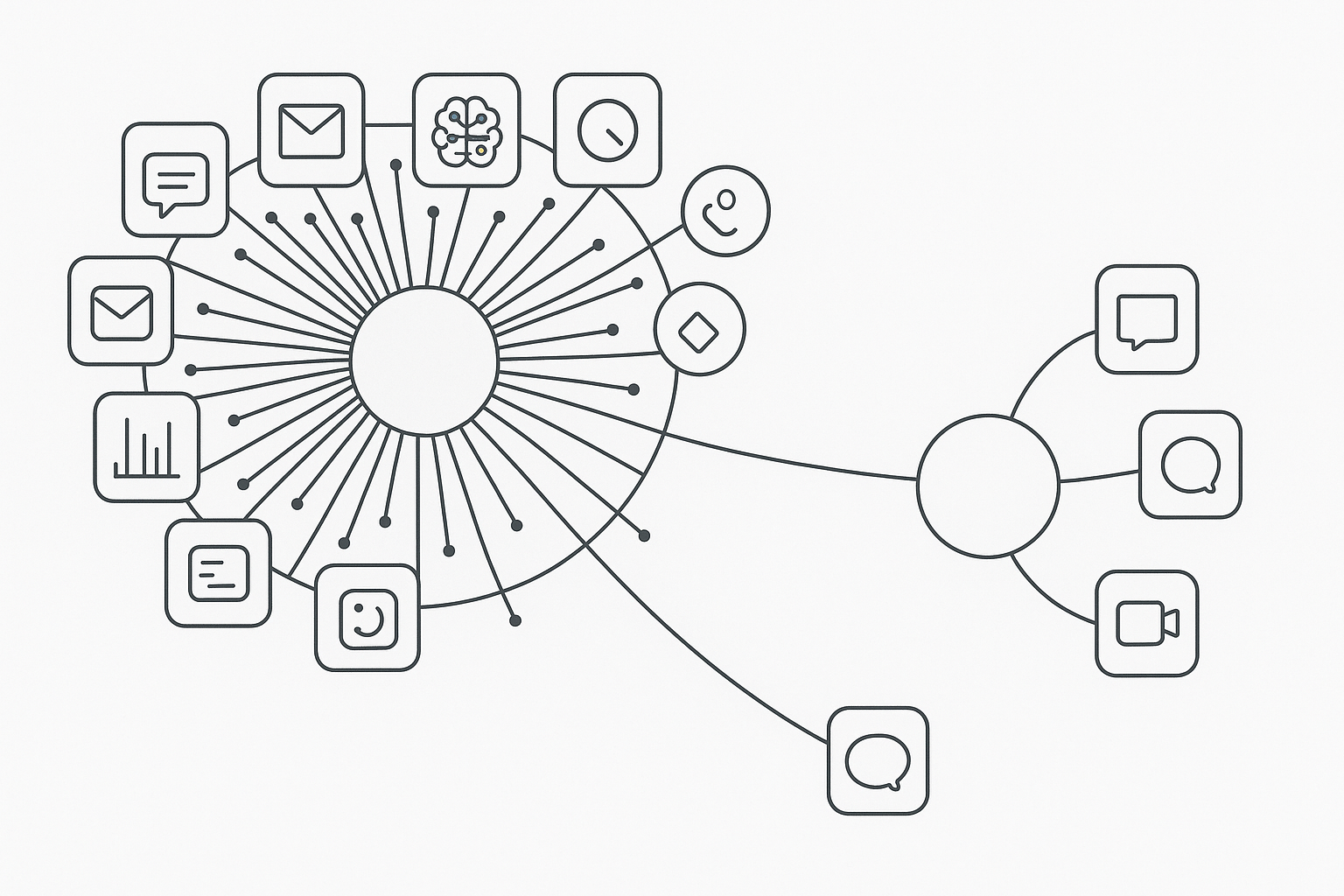
Worklytics integrates with common applications to analyze how teams work and collaborate while remote and in the office. With over 25 pre-built connectors, Worklytics creates the industry's most comprehensive integration ecosystem.
Worklytics provides pre-built data connectors for 25+ common work and collaboration platforms, creating the most comprehensive integration ecosystem in the ONA space. These integrations include:
• Collaboration Tools: Slack, Microsoft Teams, Google Workspace, Office 365
• Development Platforms: GitHub, Bitbucket, Jira
• AI Tools: ChatGPT, Claude Enterprise, GitHub Copilot, Microsoft Copilot
• Meeting Platforms: Zoom, Google Meet, Microsoft Teams
• Productivity Tools: Asana, Atlassian Suite, Salesforce
The most common data sources are email, calendar data and enterprise social networks (such as Teams and Slack), notes Polinode. While Polinode covers essential communication platforms, its integration breadth doesn't match Worklytics' extensive ecosystem.
The real-time data streaming capability of Worklytics versus Polinode's 24-hour refresh cycle creates significant differences in use cases. Worklytics can detect and alert on emerging patterns immediately, while Polinode provides daily snapshots that work well for trend analysis but may miss critical moments.
Worklytics' API-first architecture also enables custom integrations and data export to enterprise data warehouses, supporting advanced analytics workflows that extend beyond the platform's native capabilities.
Simplified pricing structure - just $3 / respondent credit across the board, represents Polinode's transparent approach to survey-based pricing. However, total cost considerations extend beyond per-user fees.
Deployment SizeWorklyticsPolinodeTime Is Ltd1,000 seatsCompetitive enterprise pricing$3/respondent + platform feesBasic: $20/user/month2,500 seatsVolume discounts availableScaled respondent pricingProfessional: $80/user/month5,000 seatsCustom enterprise agreementEnterprise pricingCustom pricing
ONA Implementation Cost: $180K (platform + consulting) represents typical enterprise deployment costs, though actual pricing varies based on:
• Number of users and data sources
• Required integration depth
• Support and consulting needs
• Contract length and payment terms
• Additional features like API access
Standalone workforce analytics software is usually priced from $5-15 per user or employee, per month, providing context for ONA platform pricing. Both Worklytics and Polinode generally fall within or above this range depending on deployment specifics.
Hidden costs to consider include:
• Data engineering resources for custom integrations
• Change management and training
• Ongoing maintenance and support
• Potential survey fatigue impact (Polinode)
• Infrastructure for data storage and processing
Worklytics' automated approach and pre-built integrations can significantly reduce implementation and ongoing operational costs compared to survey-based or custom-built solutions.
In Degree is the simplest measure of centrality, helping identify influential nodes in your network. But choosing an ONA platform requires evaluating multiple dimensions beyond basic metrics.
Worklytics emphasizes customer success through comprehensive onboarding, ongoing support, and strategic consulting services. This support model becomes crucial when implementing enterprise-wide ONA initiatives.
Consider these decision factors:
Choose Worklytics if you need:
• Privacy-first architecture with automatic anonymization
• Real-time insights and continuous monitoring
• Comprehensive AI adoption tracking
• 400+ out-of-the-box metrics
• Extensive integration ecosystem (25+ platforms)
• API-first architecture for custom workflows
Choose Polinode if you prioritize:
• Interactive network visualizations
• Combined active and passive ONA
• Snowball survey capabilities
• Flexible survey design tools
• Focus on network structure over workplace analytics
Use our ONA benchmark to compare how your organizations collaborative networks form and evolve relative to other organizations in the industry. This benchmarking capability helps justify investment and track improvement over time.
For organizations serious about understanding and optimizing their workplace networks, the choice often comes down to whether you need comprehensive, automated insights (Worklytics) or prefer a more targeted, visualization-focused approach (Polinode).
Worklytics bridges this gap by offering deep, granular insights into how communication unfolds across tools, departments, and time zones. This comprehensive view makes it the superior choice for enterprises requiring scalable, privacy-compliant ONA.
Worklytics Anonymization Proxy protects employee privacy and ensures no personal information is ever at risk, while delivering the 400+ metrics that modern organizations need to thrive.
The 2025 landscape demands ONA platforms that can handle the complexity of hybrid work, AI adoption, and evolving privacy regulations. While Polinode excels at network visualization and survey-based analysis, Worklytics provides the comprehensive, real-time insights that enterprise organizations need to navigate modern workplace challenges.
For HR analytics leaders evaluating these platforms, the decision ultimately reflects your organization's analytics maturity and privacy requirements. Worklytics offers the most complete solution for organizations ready to leverage continuous, automated insights to drive organizational performance.
Organizational network analysis (ONA) is the practice of analyzing an organization as a network by collecting data on who is working with whom. This data is used to provide insights and improve organizational function.
Worklytics ensures data privacy by automatically anonymizing personal identifiers at data ingestion and conducting analyses only at group levels. The platform never processes or stores message content, focusing solely on metadata and interaction patterns.
Worklytics focuses on privacy-first, real-time insights with extensive integrations, while Polinode emphasizes network visualization and survey-based analysis. Worklytics offers 400+ metrics and real-time data streaming, whereas Polinode provides interactive network graphs and survey tools.
Worklytics tracks AI adoption by providing department-level AI usage tracking, tool-specific analytics, and real-time dashboards. This helps organizations understand AI tool integration and its impact on productivity and collaboration.
Worklytics offers over 25 pre-built connectors for platforms like Slack, Microsoft Teams, Google Workspace, and Office 365. This extensive integration ecosystem supports comprehensive analysis of workplace collaboration and productivity.
1. https://worklytics.co/resources/worklytics-vs-polinode-vs-time-is-ltd-2025-enterprise-ona-comparison
2. https://worklytics.co/privacy
3. https://www.polinode.com/product/passive-organizational-network-analysis-integrations
4. https://www.polinode.com/guides/what-is-organizational-network-analysis-a-comprehensive-guide
6. https://worklytics.co/resources/privacy-compliant-dashboard-employee-ai-adoption-2025
7. https://worklytics.co/ona-data-analytics-software-worklytics
8. https://worklytics.co/measureai
9. https://www.polinode.com/blog/announcing-snowball-survey-functionality-and-simplified-pricing
10. https://worklytics.co/integrations
12. https://www.trustradius.com/categories/workforce-analytics
13. https://www.worklytics.co/blog/slack-vs-email-a-data-driven-guide-to-smarter-workplace-communication