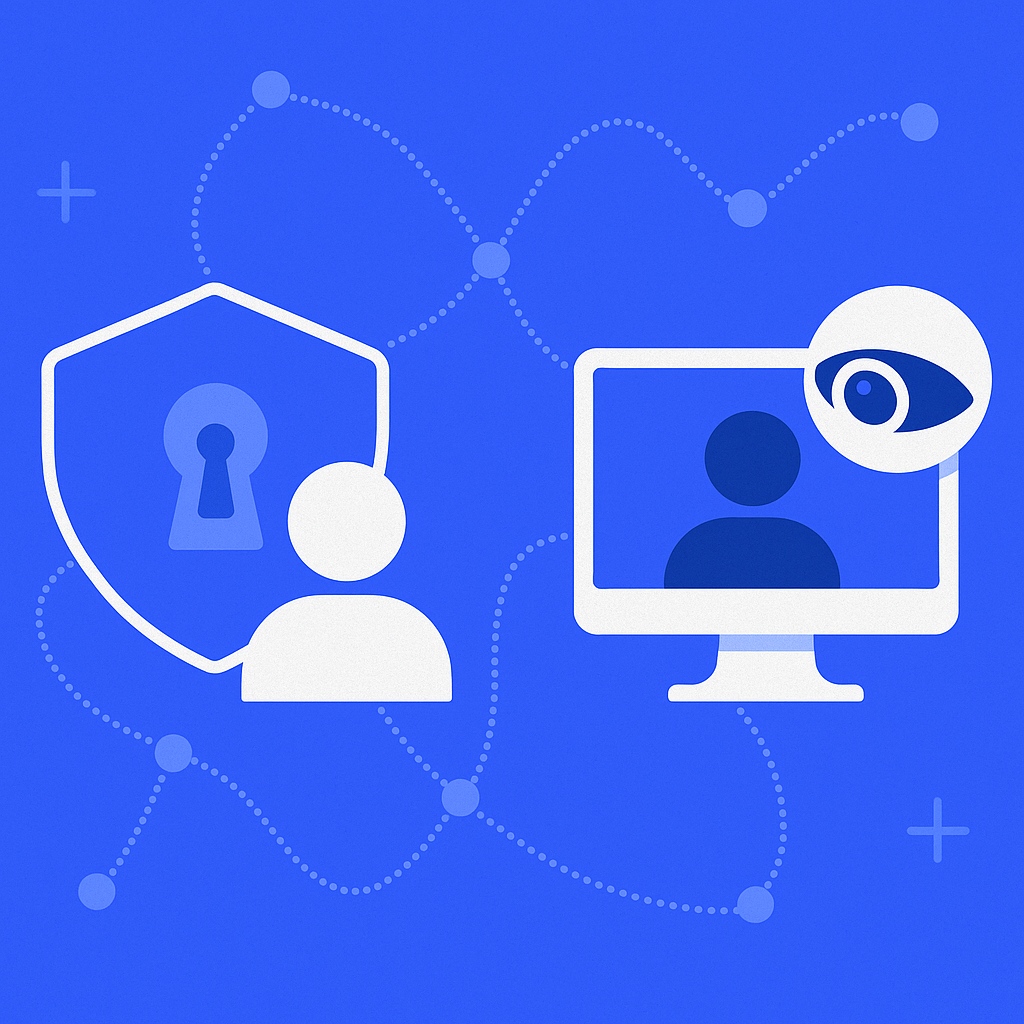
Worklytics provides privacy-first productivity analytics through anonymized collaboration patterns and metadata analysis, while Time Doctor uses invasive monitoring like screenshots and keystroke tracking. Studies show 56% of tracked workers report high stress versus 40% untracked. Organizations choosing Worklytics protect employee trust while gaining actionable insights into team dynamics and collaboration effectiveness.
• Time Doctor monitors through screenshots, video recordings, and URL tracking starting at $7 per user monthly, while Worklytics analyzes only metadata and collaboration patterns
• SOC 2 certified Worklytics aligns with GDPR requirements by never tracking individual behavior or assigning productivity ratings
• Privacy-appropriate monitoring accounts for 14.2% of psychological safety variance in remote work environments
• Worklytics integrates with 25+ platforms including Slack, Teams, and Google Workspace for comprehensive organizational insights
• Higher productivity correlates with 4.4 hours average focus time, measurable through privacy-respecting analytics
• 70% of team engagement variation falls within manager control, requiring insights not surveillance
Tracking productivity without spying is the promise behind Worklytics vs Time Doctor. In the first 100 words we'll highlight that companies can get actionable insights--without screenshots or keystroke logs--when they choose privacy-first analytics. While traditional monitoring tools create stress and erode trust, privacy-focused platforms deliver the metrics that matter while respecting employee dignity. The choice between surveillance and insights has never been clearer, and in 2025, the market is decisively shifting toward ethical analytics that build rather than break workplace culture.
Excessive tracking can create a culture of distrust, making employees feel like they're being watched rather than valued. The data backs this up: Studies reveal that 56% of tracked workers report high-stress levels, compared to just 40% of those who aren't monitored.
Workplace surveillance can also have long-term effects on organizational culture, particularly by eroding trust between employees and employers. When companies prioritize invasive monitoring, they signal that they don't trust their workforce to deliver results without constant oversight.
This erosion of trust carries real consequences. Many CHROs are concerned that such intrusive measures will prompt employee backlash or, because the software tracks activity, incentivize presenteeism over productivity. The focus shifts from meaningful outcomes to performative behavior--employees learn to game the system rather than improve their actual performance.
Key takeaway: Privacy-first productivity tracking focuses on outcomes and collaboration patterns rather than surveillance, creating an environment where employees feel valued and trusted.
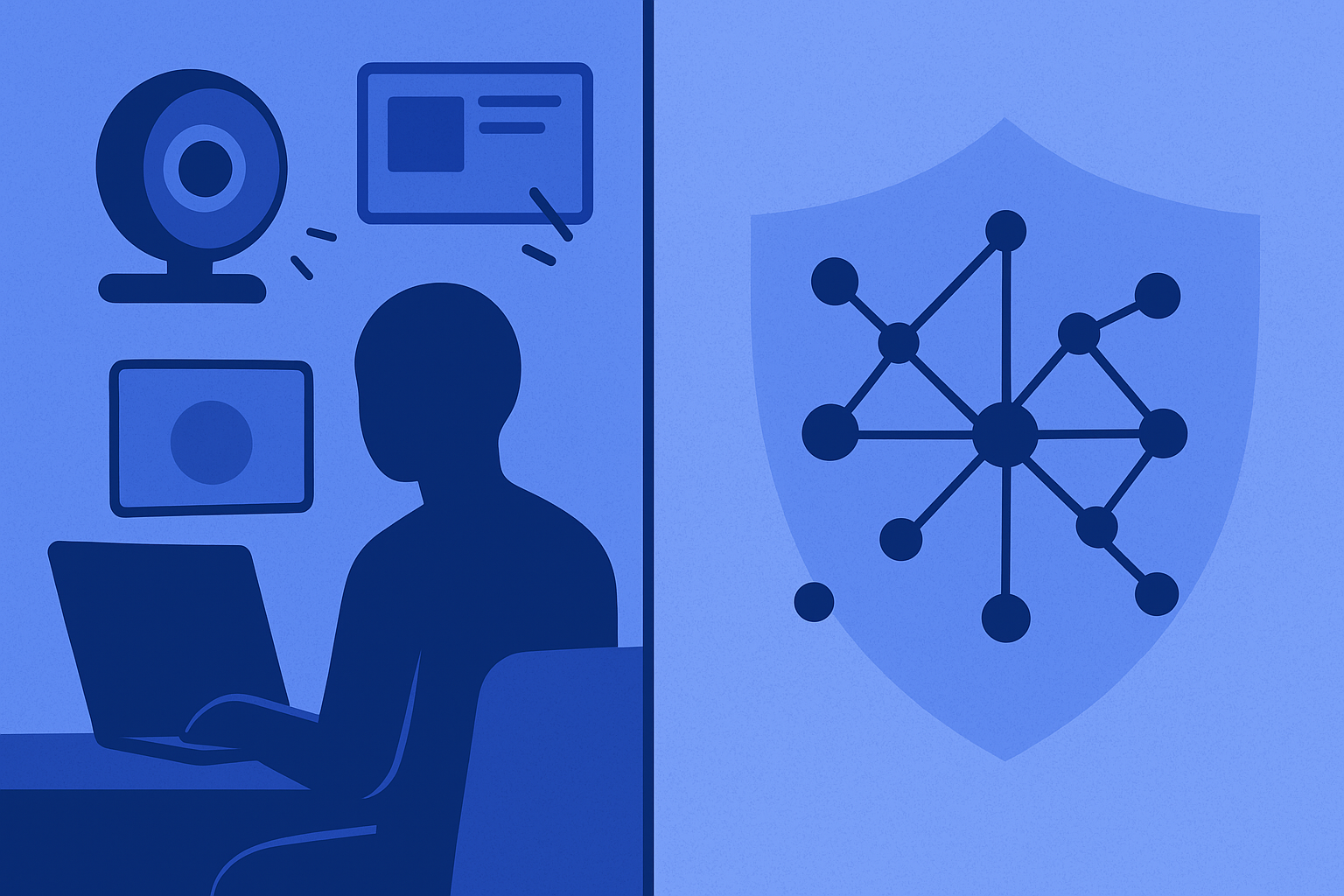
Time Doctor operates with over 250,000 active users across 31 countries, offering what it calls comprehensive productivity tracking. But the reality of its approach raises serious privacy concerns.
The platform provides an extensive range of monitoring tools, including screenshots, video screen recording, and web/app usage tracking. These features go beyond measuring productivity--they create a digital panopticon where every click and keystroke becomes subject to review.
Users consistently flag privacy concerns. One review stated bluntly: "I find its tool's screenshot and webcam features are invasive." This sentiment reflects a broader pattern where Time Doctor's surveillance features overshadow its productivity benefits.
The interface complexity adds another layer of friction. Time Doctor's interface is more complex and can be overwhelming, particularly for teams already struggling with remote work dynamics. When combined with its pricing structure--starting at $7 per user per month for basic features--organizations face both financial and cultural costs.
"Worklytics never tracks individual behavior or assigns productivity ratings. It's built to empower employees and teams, not to micromanage them." This fundamental philosophy drives every aspect of the platform's design.
The UK Information Commissioner's Office has issued clear guidance that employee monitoring must be necessary and proportionate, use the least intrusive methods possible, provide clear transparency to employees, implement appropriate safeguards, and regularly review and justify the monitoring. Worklytics aligns perfectly with these requirements.
The platform makes it easy to gather passive ONA data about collaboration in corporate tools like Slack, Office 365, Email and Calendar as work happens across your organization. This approach captures meaningful patterns without invasive surveillance.
Worklytics maintains security through SOC 2 certification, audited annually against the AICPA SOC 2 standard by a third party. This certification ensures that privacy protections aren't just promised--they're verified and enforced through rigorous external assessment.
FeatureWorklyticsTime DoctorStarting PriceCustom enterprise pricing$7 per user/month (Basic plan)Monitoring ApproachAnonymized collaboration patternsScreenshots, video recordings, URL trackingPrivacy ComplianceSOC 2 certified, GDPR compliantBasic compliance featuresData CollectionMetadata only, no content analysisFull activity monitoring including keystrokesIntegration Ecosystem25+ platforms including Slack, Teams, Google WorkspaceLimited to time tracking integrationsAnalytics FocusFocus time ratios, collaboration networks, team dynamicsIndividual activity tracking, idle time detectionUser ExperiencePrivacy-first dashboardsComplex interface that can be overwhelmingEmployee VisibilityAggregated team insights onlyIndividual monitoring with screenshots
Time Doctor offers four pricing tiers: Basic at $8 per user/month, Standard at $14 per user/month, Premium at $20 per user/month, and Enterprise with custom pricing. Each tier adds more surveillance features, creating a model where deeper insights require more invasive monitoring.
Worklytics takes a fundamentally different approach, focusing on organizational patterns rather than individual surveillance. The platform's enterprise pricing reflects its commitment to comprehensive, privacy-first analytics that scale across entire organizations.
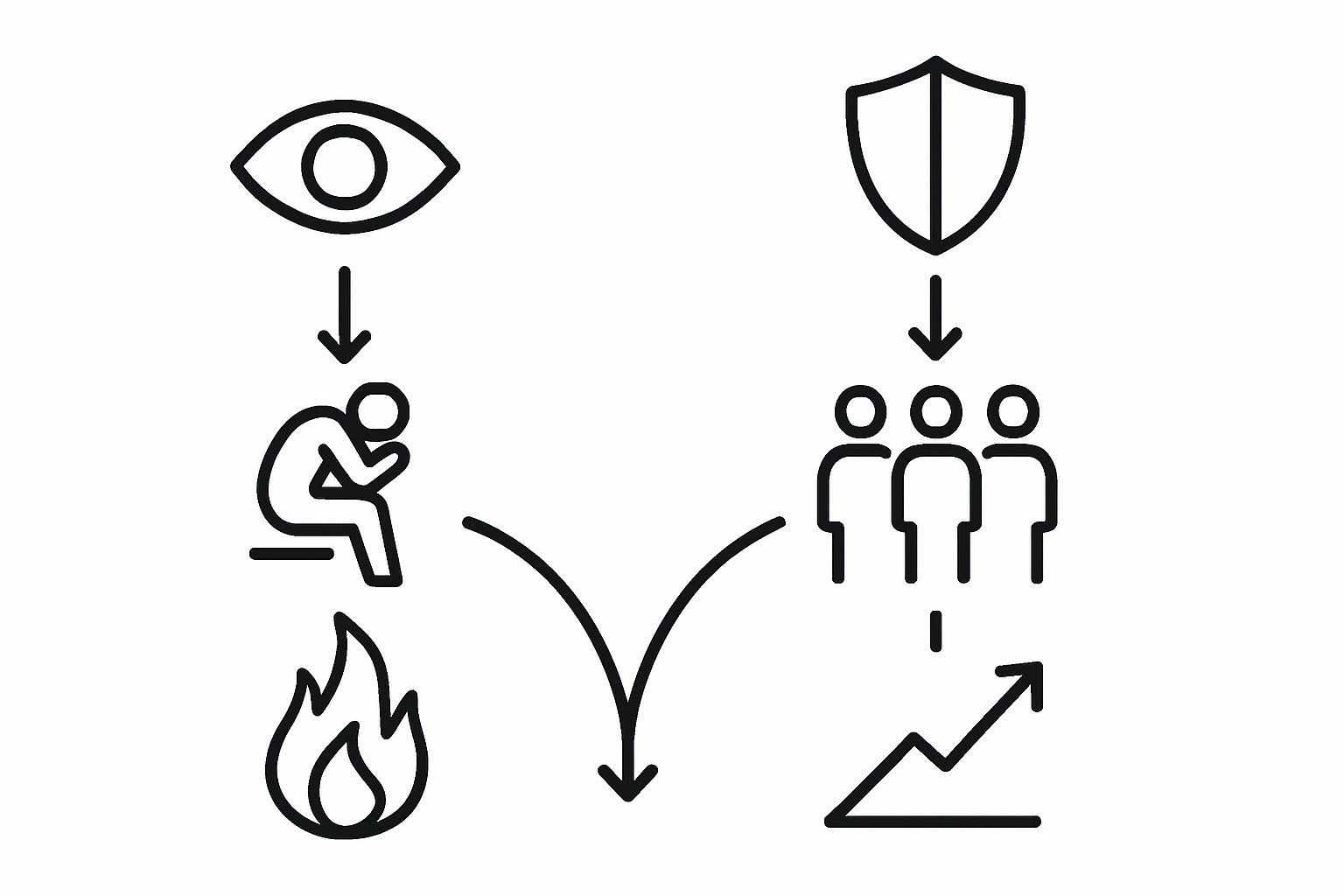
The perceived appropriateness of monitoring practices accounts for 14.2% of explained variability in perceived psychological safety. This finding underscores how monitoring design directly impacts workplace wellbeing.
Surveillance-induced stress can lead to burnout and emotional exhaustion, particularly for employees in high-stakes or high-pressure environments. When employees feel constantly watched, their stress levels spike, creativity plummets, and engagement drops.
Contrast this with privacy-first analytics. "Those who reported higher productivity had an average of 4.4 hours of focus time." By measuring what matters--focus time, collaboration balance, meeting effectiveness--rather than surveilling every action, platforms like Worklytics help teams identify and protect the conditions that enable their best work.
Managers play a crucial role in this equation. 70% of the variation in a team's engagement--which can predict its productivity--is within managers' span of control. Privacy-first analytics empowers managers with insights to create better working conditions rather than policing individual behavior.
Key takeaway: Privacy-respecting analytics correlates with higher psychological safety, reduced burnout, and improved focus time--the true drivers of sustainable productivity.
Selecting the right productivity platform starts with understanding compliance requirements. ETSI TS 104 223's 13 principles are expanded into 72 provisions that establish baseline standards for ethical technology deployment.
The UK Information Commissioner's Office is responsible for monitoring and enforcing the UK General Data Protection Regulation and the Data Protection Act 2018. Organizations must ensure their chosen platform aligns with these requirements.
Consider these essential criteria when evaluating platforms:
• Privacy by design: Does the platform build privacy into its architecture from the outset?
• Transparency: Are employees clear about what data is collected and how it's used?
• Proportionality: Is the level of monitoring appropriate to legitimate business needs?
• Data minimization: Does the platform collect only necessary information?
• Security certification: Is the platform externally audited (SOC 2, ISO 27001)?
The NIST Privacy Framework was designed to complement the successful release and wide adoption of the NIST Cybersecurity Framework. Organizations should ensure their chosen platform aligns with both frameworks.
Employees accept monitoring systems differently based on implementation. Respondents accept a certain degree of monitoring at home but increasingly reject monitoring systems as they become more invasive. The key is finding platforms that provide insights without crossing ethical boundaries.
"Worklytics provides a better alternative by using performance metrics and workflow insights to encourage accountability without micromanagement." In 2025, this approach isn't just preferable--it's essential for organizations that want to thrive.
The choice between Worklytics and Time Doctor represents more than a technology decision. It's a statement about organizational values, employee trust, and the kind of workplace culture you want to build. While Time Doctor's surveillance approach might capture every keystroke, Worklytics captures what actually matters: how teams collaborate, when they're most productive, and what barriers prevent their best work.
For organizations ready to move beyond surveillance and embrace privacy-first analytics, Worklytics offers a clear path forward. By focusing on aggregated insights, collaboration patterns, and meaningful metrics, it delivers the visibility leaders need while preserving the trust employees deserve.
The future of productivity tracking isn't about watching workers--it's about understanding work itself. Worklytics makes that future available today, providing enterprise-grade analytics that respect privacy, comply with regulations, and most importantly, help teams do their best work without feeling like they're under a microscope.
Worklytics focuses on privacy-first analytics, providing insights without invasive monitoring, while Time Doctor uses surveillance methods like screenshots and keystroke logging.
Worklytics uses anonymized data and focuses on collaboration patterns rather than individual monitoring, aligning with privacy regulations like GDPR and SOC 2 standards.
Time Doctor’s use of screenshots, video recordings, and detailed activity tracking raises privacy concerns, as it can feel invasive to employees, which is why many businesses consider Time Doctor alternatives.
Worklytics is SOC 2 certified and GDPR compliant, ensuring that its data collection methods are secure and privacy-focused.
Privacy-first analytics, like those offered by Worklytics, enhance psychological safety and reduce burnout by focusing on meaningful metrics rather than surveillance.
1. https://www.worklytics.co/blog/how-employee-tracking-hurts-morale-and-productivity
2. https://connecteam.com/clockify-vs-time-doctor
3. https://www.worklytics.co/security
5. https://www.gallup.com/workplace/348713/measuring-productivity-less-important-managing.aspx
8. https://www.worklytics.co/ona-data-analytics-software-worklytics
9. https://csrc.nist.gov/standards
10. https://ico.org.uk/media/about-the-ico/documents/2259467/regulatory-action-policy.pdf
11. https://nvlpubs.nist.gov/nistpubs/CSWP/NIST.CSWP.01162020.pdf
12. https://www.econstor.eu/bitstream/10419/290198/1/NTWE_NTWE12280.pdf