Real-time AI usage dashboards provide immediate visibility into adoption patterns, enabling organizations to detect issues and optimize usage as they emerge rather than months later through periodic reports. Worklytics connects to over 25 collaboration tools and generates 400+ metrics automatically, transforming AI adoption tracking from quarterly reviews into daily optimization opportunities.
• Instant ROI tracking: Employees using Copilot save an average of 3 hours weekly (10% of workweek), with savings calculable in real time versus quarterly estimates
• Comprehensive integration: Worklytics connects Microsoft 365 Copilot, Slack, GitHub Copilot, Google Gemini, and 25+ productivity tools through secure OAuth connections
• Privacy-first architecture: Platform uses GDPR-compliant pseudonymization proxy that anonymizes data at ingestion, never storing or analyzing work content
• Automated insights: Machine learning cleans, de-duplicates and standardizes datasets from multiple sources, delivering actionable metrics within hours not weeks
• Adoption scale: Over 50,000 organizations have integrated GitHub Copilot, with 1.3 million developers on paid plans requiring real-time usage monitoring
Organizations that still rely on quarterly PDFs miss the live pulse a real-time AI usage dashboard provides. With AI adoption surging to 72% in 2024, waiting months for static reports means falling behind competitors who track adoption patterns as they emerge. Real-time dashboards transform how leaders understand AI impact, moving from retrospective analysis to proactive optimization.
Real-time dashboards address a fundamental problem with periodic reporting: the lag between data collection and actionable insights. Traditional quarterly or monthly reports capture historical snapshots, but 31% of employees admitted to sabotaging their company's AI efforts—a trend that needs immediate detection, not discovery months later.
The evolution of HCM platforms now incorporates people analytics, AI insights, and integrated modeling with business value reporting. This shift reflects the market's recognition that static reporting can't keep pace with dynamic AI adoption patterns. When teams adopt new AI tools daily and usage patterns shift weekly, periodic reports become obsolete before they're even published.
Worklytics provides what periodic reporting cannot: a cohesive, real-time pulse of AI adoption across your entire organization. This immediacy enables course corrections while training budgets remain flexible and teams stay receptive to change.
Real-time AI usage dashboards deliver advantages that compound daily, not quarterly:
1. Immediate ROI validation: Microsoft discovered employees using Copilot saved an average of 3 hours per week. Real-time tracking lets you calculate these savings as they happen, not months later.
2. Instant adoption bottleneck detection: Worklytics provides real-time visibility into AI adoption patterns, allowing organizations to identify trends and opportunities as they emerge.
3. Proactive training deployment: When you spot lagging teams immediately, training interventions happen while momentum exists, not after habits solidify.
4. Live benchmarking against peers: Compare your adoption rates against industry standards continuously, adjusting strategies based on current market positions.
5. Dynamic resource allocation: Shift licenses between teams based on actual usage patterns, optimizing spending in real time.
6. Early risk detection: Privacy concerns or resistance patterns surface immediately, enabling swift mitigation before issues escalate.
7. Continuous productivity measurement: Track 400+ metrics generated and pushed to your systems, correlating AI usage with business outcomes as they develop.
Key takeaway: Real-time dashboards transform AI adoption from a quarterly review topic into a daily optimization opportunity.
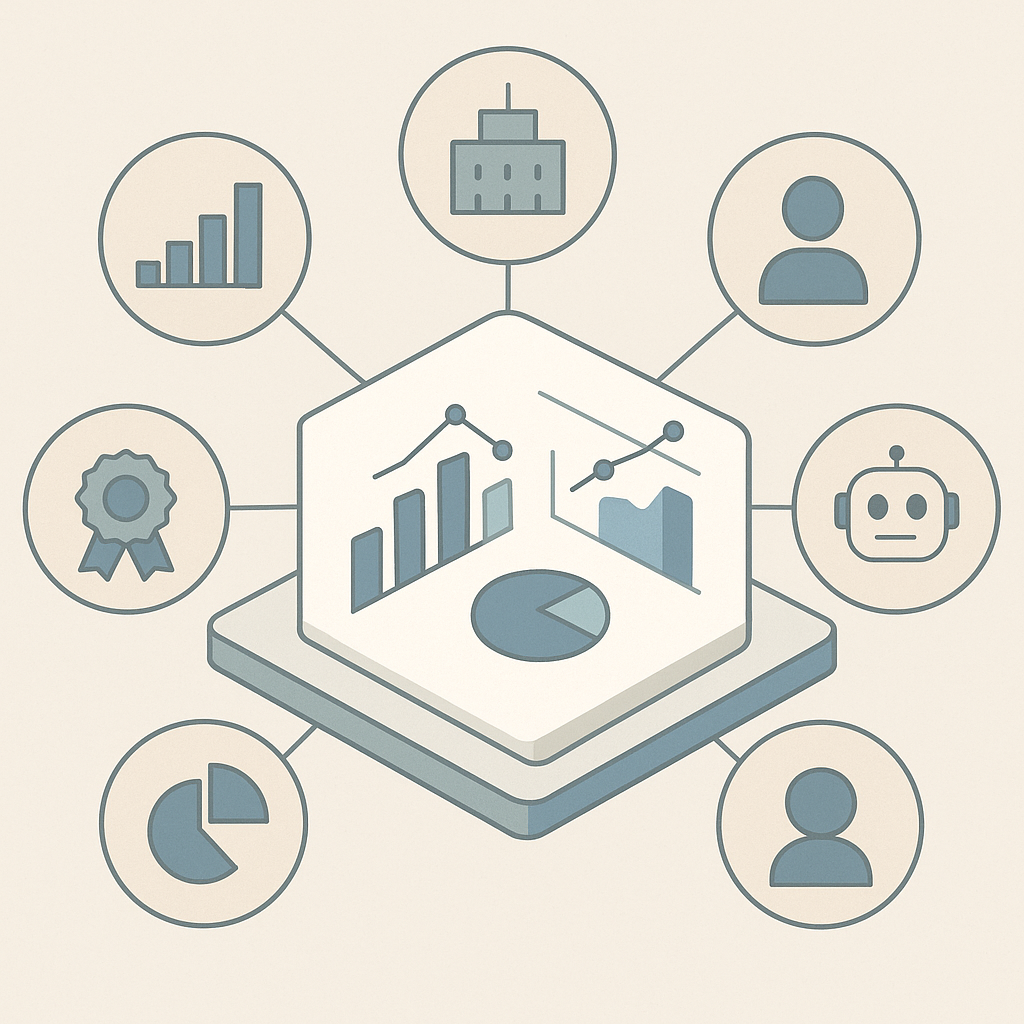
Effective AI dashboards focus on six essential metrics that reveal adoption depth and impact:
MetricPurposeKey InsightLight vs. Heavy Usage RateSegments users by AI intensityIdentifies power users vs. occasional adoptersAI Adoption per DepartmentMaps organizational spreadReveals where AI thrives or lagsManager Usage per DepartmentTracks leadership engagementPredicts team-wide adoption successNew-Hire vs. Tenured UsageCompares adoption by tenureUncovers generational or cultural barriersPercentage of Work with AIMeasures workflow penetrationShows actual process transformationTop AI Agent UtilizationIdentifies most-used toolsGuides licensing and training priorities
These metrics move beyond vanity statistics like login counts. They reveal whether AI genuinely transforms work patterns or merely adds another unused tool to the stack.
Worklytics streamlines dashboard creation through automated connections and pre-built analytics models. The platform connects to over 25 commonly used tools, eliminating months of custom integration work.
The setup process leverages machine learning to clean, de-duplicate, and standardize datasets automatically. This automation means organizations start receiving insights within hours, not weeks.
Microsoft's evolving Copilot strategy, which now allows agents in free versions with pay-as-you-go consumption charges, makes real-time tracking essential for cost management.
Worklytics integrates with common applications to analyze how teams work and collaborate. The platform connects Microsoft 365 Copilot, Slack, GitHub Copilot, Google Gemini, ChatGPT Teams, and dozens more through secure OAuth connections.
The connectors ingest transaction data from productivity tools, then anonymize and aggregate it before analysis. This architecture ensures no personal information transfers while maintaining analytical depth.
Once connected, Worklytics generates 400+ metrics automatically, creating predictive models that identify relationships between behavior and business outcomes.
The platform provides a cohesive view by consolidating data on who uses AI, how often, and in what ways across the enterprise. These insights stream directly to your existing BI tools or data warehouse for custom analysis.
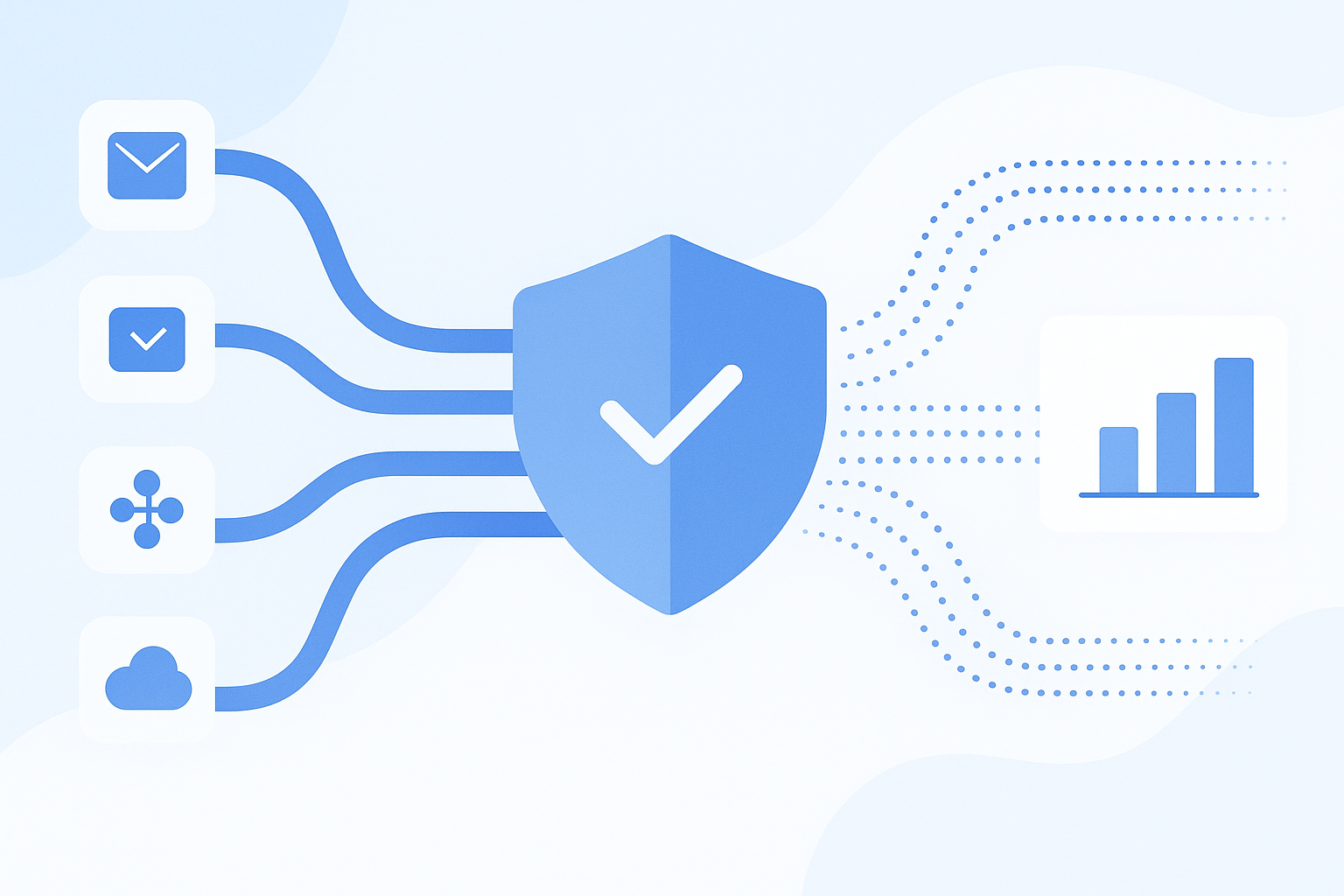
Privacy concerns often block real-time analytics initiatives. Worklytics addresses GDPR compliance through a sophisticated pseudonymization proxy that sits between data sources and analytics processing.
The platform strips personal identifiers automatically when data is first ingested, with analyses provided only at group levels with minimum sizes of 8 people. This approach ensures individual privacy while maintaining analytical value.
Critically, Worklytics does not store or analyze any work content whatsoever. The system focuses on metadata patterns, not message contents or document substance. This privacy-by-design architecture enables continuous monitoring without surveillance concerns.
Key takeaway: Real-time analytics and privacy protection aren't mutually exclusive when properly architected.
Real-time dashboards convert abstract usage statistics into concrete business value. Microsoft's research shows Copilot users save 3 hours weekly—approximately 10% of their workweek. These time savings translate directly to ROI calculations.
Consider this ROI calculation example: With 500 users saving 3 hours weekly at $75/hour, annual savings reach $5,850,000 against $500,000 in software costs—a 1,070% return.
Workist's case study with BACHL demonstrates immediate impact: automating order processing saves 20 hours weekly, with 3.5 minutes saved per order across 350 weekly transactions. These granular metrics, available in real time, justify continued investment and expansion.
FeatureWorklytics Real-TimePeriodic CompetitorsData FreshnessContinuous streamingQuarterly/monthly snapshotsIntegration Count25+ tools connectedLimited to major platformsBenchmark UpdatesLive industry comparisonsHistorical benchmarks onlyPrivacy ArchitecturePseudonymization proxyVaries by vendorPredictive AnalyticsAI-enabled skills management by 2030Basic trend analysisROI CalculationReal-time productivity correlationPost-period estimationAlert SystemsInstant adoption changesNo proactive alertsCompliance60% of enterprises adopting responsible AI frameworksStandard compliance only
The market recognizes this shift: selecting the right vendor now hinges on understanding readiness for data, operational, and workforce transformation.
Real-time AI usage dashboards represent a fundamental shift in how organizations manage AI adoption. The ability to track, measure, and optimize AI usage continuously transforms adoption from hope to certainty.
Worklytics delivers a cohesive, real-time pulse that periodic reporting simply cannot match. With automated connections to 25+ tools, privacy-first architecture, and instant ROI validation, organizations gain the visibility needed to maximize their AI investments.
The choice between real-time and periodic reporting determines whether you lead or follow in AI adoption. Organizations ready to move beyond quarterly PDFs can start streaming insights today, joining companies already saving millions through optimized AI usage.
For deeper insights into maximizing workplace analytics, explore how Outlook calendar analytics drives productivity in modern organizations. Ready to see your AI adoption in real time? Worklytics can have your dashboard operational within 24 hours, turning AI promises into measurable productivity gains.
Real-time AI usage dashboards provide immediate ROI validation, instant detection of adoption bottlenecks, proactive training deployment, live benchmarking, dynamic resource allocation, early risk detection, and continuous productivity measurement.
Worklytics uses a pseudonymization proxy to strip personal identifiers from data, ensuring GDPR compliance and privacy. Analyses are conducted at group levels, maintaining individual privacy while providing valuable insights.
Key metrics include light vs. heavy usage rate, AI adoption per department, manager usage per department, new-hire vs. tenured usage, percentage of work with AI, and top AI agent utilization. These metrics help assess AI's impact on work patterns.
A Worklytics dashboard can be operational within 24 hours. The platform connects to over 25 tools, automating data integration and analysis, allowing organizations to start receiving insights almost immediately.
Worklytics offers continuous data streaming, integration with 25+ tools, live industry comparisons, a privacy-first architecture, real-time ROI calculations, and instant alert systems, surpassing the capabilities of periodic-only vendors.
1. https://worklytics.co/integrations
2. https://worklytics.co/datastream
4. https://worklytics.co/how-it-works
5. https://www.worklytics.co/resources/gdpr-compliant-ai-usage-analytics-without-storing-pii
6. https://www.worklytics.co/blog/top-ai-adoption-challenges-and-how-to-overcome-them
7. https://www.worklytics.co/resources/proving-roi-ai-adoption-metrics-dashboards-2025
8. https://my.idc.com/getdoc.jsp?containerId=US52741224
9. https://worklytics.co/resources/2025-employee-ai-adoption-benchmarks-by-department-industry
10. https://worklytics.co/blog/tracking-employee-ai-adoption-which-metrics-matter
11. https://worklytics.co/privacy
14. https://www.huntscreens.com/en/topic/productivity-analysis-reports?page=9