Worklytics and ActivTrak represent fundamentally different approaches to workforce analytics. Worklytics uses SHA256 hash algorithms to pseudonymize data at the source, ensuring complete anonymization before analysis. ActivTrak collects detailed individual activity data but emphasizes no intrusive monitoring like keystroke logging while maintaining SOC 2 Type 2 compliance.
• Privacy architecture: Worklytics anonymizes data before collection; ActivTrak tracks individual activities with privacy controls
• Key metrics: ActivTrak reports $4.2M productivity gains for enterprise users; Worklytics generates 400+ collaboration metrics
• Employee trust: 86% of employees believe monitoring disclosure should be legally required• Deployment: ActivTrak uses lightweight agents; Worklytics integrates via APIs
• AI tracking: Both platforms monitor AI tool usage as adoption reaches 58% of workers
Choosing between Worklytics vs ActivTrak isn't just about features; it's about trust. With over 58% of the workforce now engaging in remote work, companies are increasingly relying on employee monitoring tools to track productivity and performance. Yet this surge in monitoring comes with a critical challenge: maintaining employee trust while gathering meaningful insights.
The stakes are clear. Studies reveal that 56% of tracked workers report high-stress levels, compared to just 40% of those who aren't monitored. Even more telling, 86% of employees believe it should be a legal requirement for employers to disclose if they use monitoring tools. This isn't just about compliance; it's about building a sustainable work culture where insights drive improvement, not anxiety.
Privacy-first productivity tracking represents a fundamental shift in how organizations approach workforce analytics. Rather than surveillance, these platforms prioritize data protection while still delivering actionable insights. The question facing leaders today isn't whether to track productivity, but how to do it in a way that respects employee privacy and maintains trust.
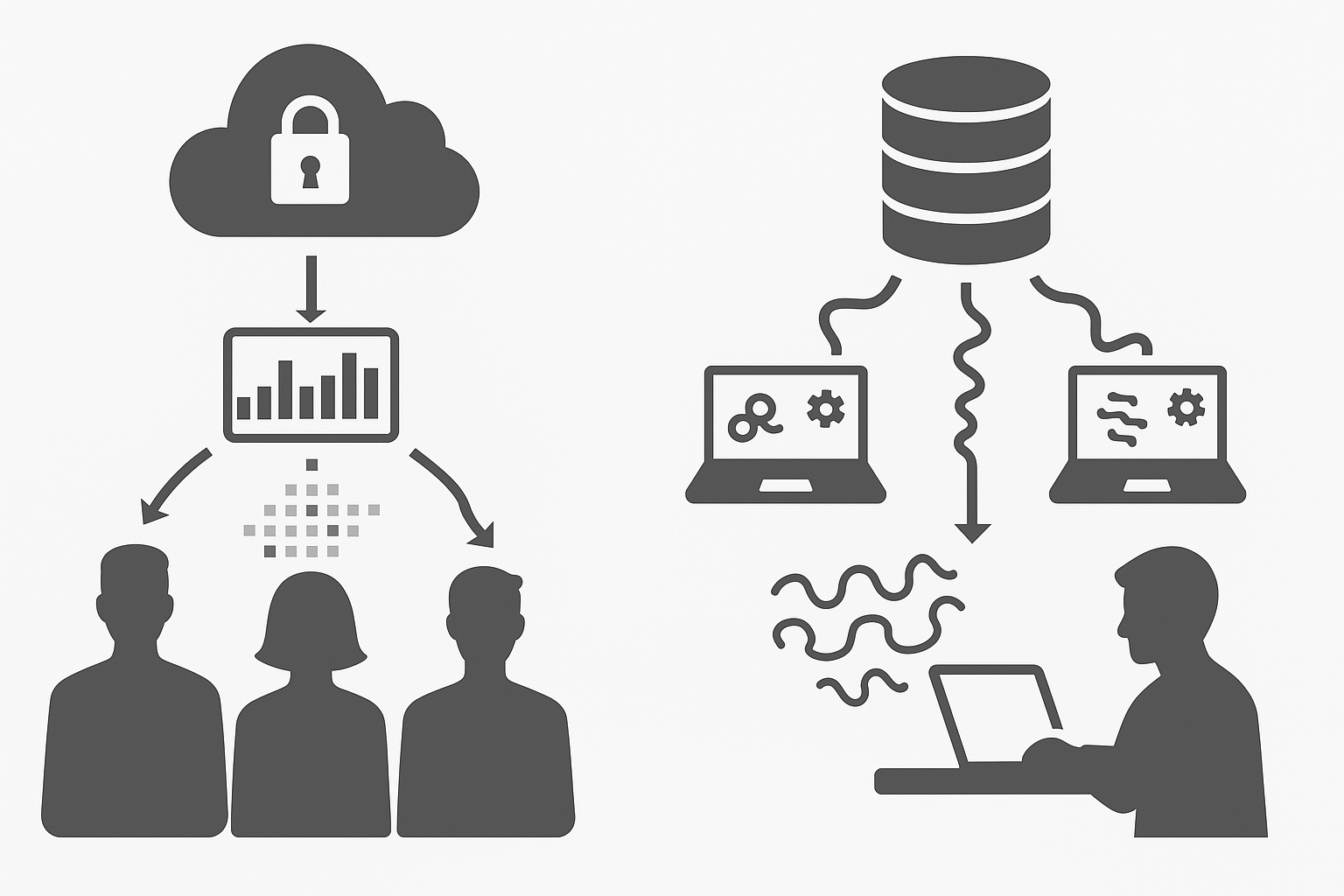
When evaluating data protection capabilities, the architectural differences between these platforms become immediately apparent. Worklytics exemplifies a privacy-first approach by using SHA256 hash algorithms to pseudonymize data at the source. This means individual identities are encrypted before any analysis occurs, creating an irreversible anonymization layer that protects employee privacy from the ground up.
ActivTrak takes a different approach to privacy protection. While the platform emphasizes no intrusive monitoring like keystroke logging or video recording, it still collects detailed individual activity data through its endpoint agent. The company maintains SOC 2 Type 2 compliance and aligns with GDPR requirements, but the fundamental architecture still captures and stores per-user website and application usage data.
The distinction extends beyond just data collection methods. Worklytics processes all analytics on aggregated, anonymized datasets, meaning leaders see trends and patterns without ever accessing individual employee data. ActivTrak, while offering privacy controls and compliance certifications, maintains individual activity logs that administrators can potentially access, creating a different risk profile for organizations concerned about employee trust and data minimization principles.
Beyond basic activity tracking, the depth and sophistication of analytics vary significantly between platforms. Worklytics generates over 400 metrics across collaboration patterns, providing insights into how teams actually work together rather than just tracking individual productivity. This comprehensive approach reveals hidden inefficiencies in workflows and communication patterns that simple time tracking misses.
ActivTrak gives users a wealth of workforce analytics data and presents it in a clear, intuitive way. The platform focuses on traditional productivity metrics like active time, idle time, and application usage, delivering insights through dashboards that help managers understand daily work patterns. ActivTrak's State of the Workplace report found that the average workday is 36 minutes (7%) shorter but 2% more productive, demonstrating the platform's ability to surface meaningful productivity trends.
The real differentiator lies in the breadth of analysis each platform provides. While ActivTrak excels at individual productivity tracking and time management, Worklytics takes a systems-level view of organizational effectiveness, analyzing collaboration networks, meeting effectiveness, and communication patterns across entire teams.
Organizational Network Analysis (ONA) represents a fundamental difference in approach between these platforms. Tools like ONA map collaboration across email, Slack, and project tools, revealing how knowledge flows and where silos exist within organizations.
Worklytics excels in integration breadth with 25+ pre-built connectors and strong privacy features including automatic anonymization. This comprehensive integration allows the platform to build complete pictures of organizational dynamics:
• Cross-functional collaboration patterns
• Information bottlenecks and silos
• Team connectivity and cohesion metrics
• Knowledge transfer effectiveness
• Meeting network analysis
ActivTrak, by contrast, focuses primarily on individual activity logs and productivity metrics, lacking the sophisticated network analysis capabilities that reveal organizational dynamics. While this approach provides clear visibility into individual performance, it misses the broader context of how teams collaborate and where organizational friction points exist.
As artificial intelligence reshapes the workplace, tracking its adoption becomes critical for understanding productivity impacts. ActivTrak offers AI usage monitoring for tools like ChatGPT, DeepSeek, and Copilot, focusing on compliance and productivity impact assessment. Their research shows that 58% of employees now use AI tools in some capacity, up 107% from 2022.
The challenge with AI monitoring isn't just technical; it's cultural. ActivTrak's data reveals that AI users show consistently longer workdays (+8 minutes) and lower focus time (-27 minutes), suggesting that while AI tools boost certain metrics, they may also fragment attention and extend working hours. This creates a delicate balance for organizations trying to encourage AI adoption while maintaining healthy work patterns.
By 2025, 60% of enterprise organizations will adopt a responsible AI framework for their HR technology and achieve greater employee experience and trust in the organization, according to Gartner, Inc. This prediction underscores the importance of choosing analytics platforms that can track AI usage transparently without creating a surveillance atmosphere that might discourage experimentation and innovation.
Real-world performance data provides crucial context for platform comparison. ActivTrak reports impressive financial outcomes from their platform usage, including $4.2 million in productivity gains, alongside $800,000 in software savings and $500,000 in billing reconciliation for organizations using their analytics.
ActivTrak's comprehensive State of the Workplace study, analyzing 218,900 employees across 777 companies, found that remote-only workers have the highest daily productivity (+29 minutes) versus other worker types. This data point is particularly relevant for organizations debating remote work policies and needing evidence-based insights to guide decisions.
Independent reviews also highlight measurable improvements. One technology directory reports increased workforce productivity and efficiency gains up to 30% for ActivTrak users. These metrics suggest that even with different privacy approaches, both platforms can deliver tangible business value when properly implemented.
Implementation complexity and total cost of ownership vary significantly between platforms. ActivTrak offers a tiered pricing structure starting with a free plan for up to 3 users, then scaling to $19 per user monthly for their Professional tier with one year of data history. The platform deploys through a lightweight agent that can be operational within minutes.
Median buyers pay $6,900 per year for ActivTrak based on data from actual purchases, though this can vary significantly based on team size and selected features. Additional considerations include support costs, which start at 10% of contract annual recurring revenue, with signature support options beginning at 20% for organizations requiring dedicated technical account management.
Worklytics takes an API-first approach, using SHA256 hash algorithms to pseudonymize data at the source rather than requiring endpoint agents. This architectural difference means:
Deployment FactorWorklyticsActivTrakSetup MethodAPI IntegrationAgent InstallationTime to DeployDays to weeksMinutes to hoursIT OverheadMedium (initial config)Low (automated)Data HistoryCustomizable30 days to 1 yearMaintenanceMinimalRegular agent updates
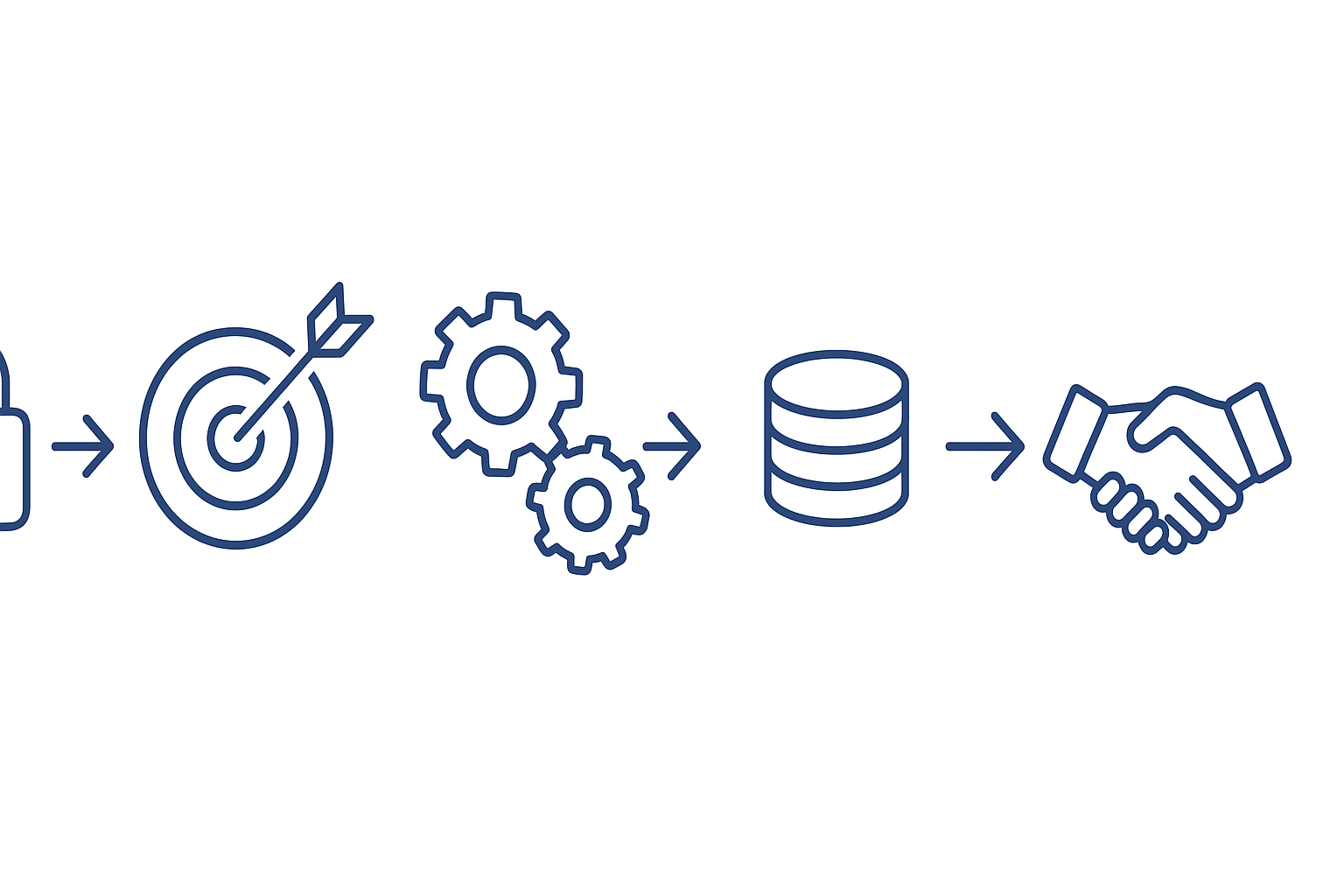
Selecting the right platform requires a systematic evaluation approach. Privacy-first productivity tracking platforms prioritize data anonymization, regulatory compliance, and employee consent, but implementation success depends on matching platform capabilities to organizational needs.
• Determine if you need complete anonymization or if controlled access to individual data is acceptable
• Review compliance requirements (GDPR, CCPA, industry-specific regulations)
• Evaluate employee works council or union requirements
• Identify whether you need individual productivity metrics or organizational insights
• Determine if network analysis and collaboration patterns matter for your use case
• Consider whether AI usage tracking is a current or future priority
• Compare API-based integration versus agent deployment models
• Assess integration requirements with existing tools and platforms
• Review data retention and deletion capabilities
• Factor in per-user licensing, support costs, and implementation expenses
• Consider scaling costs as your organization grows
• Account for training and change management resources
• Worklytics addresses concerns through its comprehensive tenant API system, providing detailed control over user permissions
• Plan transparent communication about what will be tracked and why
• Establish clear policies about data usage and access rights
The choice between Worklytics and ActivTrak ultimately reflects your organization's philosophy about productivity and trust. Both platforms can deliver insights, but they represent fundamentally different approaches to workforce analytics.
ActivTrak provides detailed activity monitoring with strong compliance features and proven ROI metrics. For organizations that need granular visibility into individual productivity and can manage the employee relations aspects of more detailed monitoring, it offers comprehensive tracking capabilities with clear financial benefits.
Worklytics provides a better alternative by using performance metrics and workflow insights to encourage accountability without micromanagement. By aggregating and pseudonymizing data at the source, Worklytics ensures leaders see trends without accessing individual employee information. This privacy-first architecture, combined with sophisticated organizational network analysis and 400+ collaboration metrics across 25 tools, positions Worklytics as the choice for organizations prioritizing employee trust while still gaining actionable insights.
For companies navigating the complexities of hybrid work, AI adoption, and evolving privacy regulations, Worklytics offers a path forward that balances insight with ethics. The platform's focus on collaboration patterns rather than surveillance metrics helps organizations improve how teams work together, not just track how much they work.
Privacy-first productivity tracking focuses on gathering meaningful insights while protecting employee privacy. It emphasizes data anonymization and aggregation to maintain trust and compliance with privacy regulations.
Worklytics uses SHA256 hash algorithms to pseudonymize data at the source, ensuring individual identities are encrypted before analysis. This approach creates an irreversible anonymization layer, protecting employee privacy from the ground up.
Worklytics focuses on privacy-first analytics with aggregated data, offering over 400 metrics on collaboration patterns. ActivTrak provides detailed individual activity tracking with compliance features, focusing on traditional productivity metrics like active and idle time.
ActivTrak monitors AI tool usage, assessing compliance and productivity impacts. Worklytics, while not specifically mentioned for AI tracking, emphasizes privacy and collaboration insights, which can indirectly support AI adoption without creating a surveillance atmosphere.
Organizations should assess privacy requirements, define analytics goals, evaluate technical architecture, calculate total cost of ownership, and test employee acceptance. Worklytics offers privacy-first analytics, while ActivTrak provides detailed activity monitoring.
1. https://worklytics.co/resources/privacy-first-productivity-tracking-hybrid-teams-2025-buyers-guide
2. https://activtrak.com/product/activtrak-difference
3. https://www.worklytics.co/blog/mastering-focus-time-in-outlook-a-guide-to-deep-work-productivity
4. https://www.activtrak.com/pricing/
5. https://worklytics.co/integrations/outlook-mail-analytics
6. https://www.activtrak.com/productivity-lab/
7. https://www.activtrak.com/resources/reports/state-of-the-workplace/
8. https://worklytics.co/resources/worklytics-vs-polinode-vs-time-is-ltd-2025-enterprise-ona-comparison