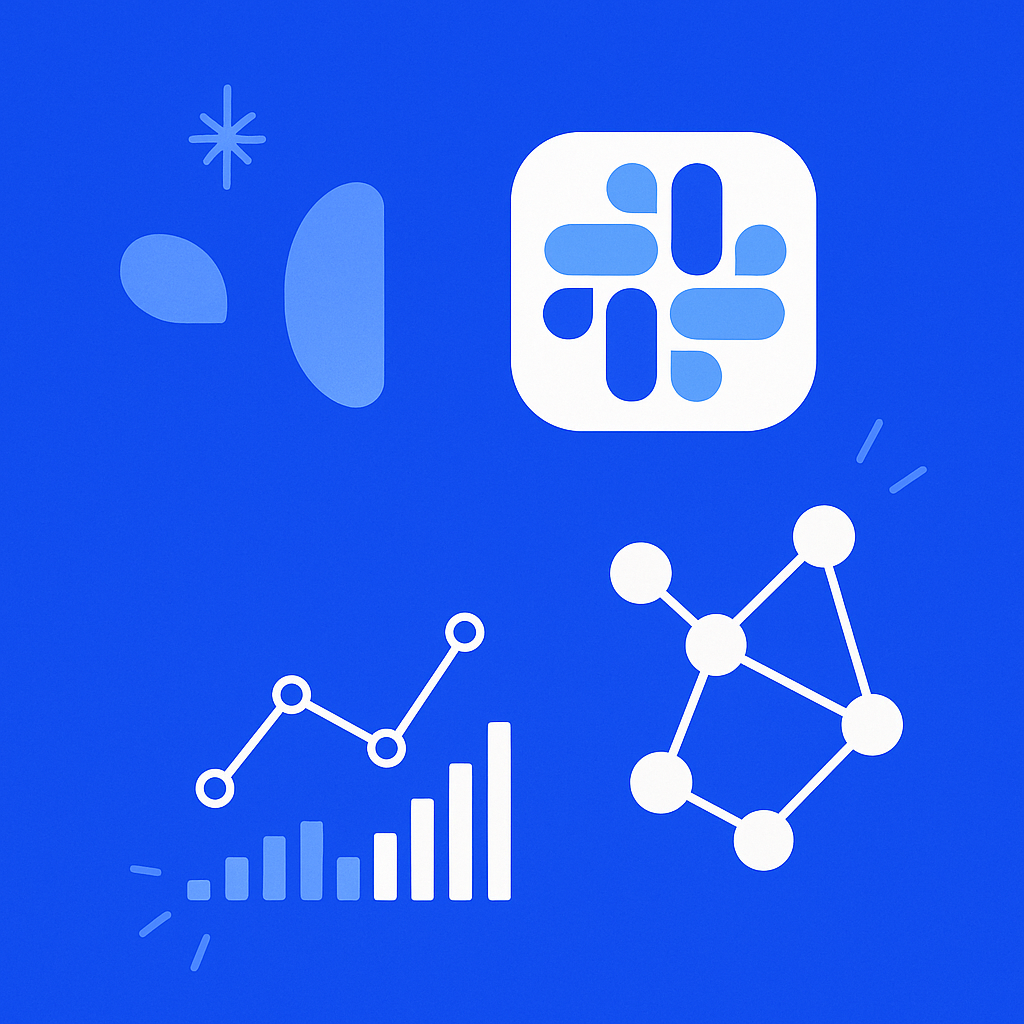
Organizations can track Slack activity without reading messages by analyzing metadata through APIs like Slack's Discovery and Audit Logs APIs. These tools provide insights into communication patterns, response times, and collaboration networks while excluding message bodies entirely. This approach satisfies GDPR data minimization requirements and builds employee trust by respecting privacy boundaries.
• The Discovery API exposes timestamps, channel IDs, sender/receiver identifiers, and reaction counts without revealing message content
• 86% of employees believe employers should legally disclose monitoring tool usage
• Metadata retention for communication systems should not exceed 7 days according to Italian regulators
• Privacy-first platforms use SHA256 hash algorithms to pseudonymize data and maintain minimum group sizes of 5-8 people
• Highly connected organizations are 20-25% more productive, making collaboration metrics valuable without content access
• Worklytics connects directly to Slack APIs to provide automated analytics while never processing message content
Organizations face a critical challenge in today's digital workplace: how to gain insights into team collaboration and productivity without violating employee privacy. With 1.5 billion messages sent on Slack each week, the platform has become essential for organizational communication. Yet 65% of workers worry about employer monitoring, and an additional 11% would be horrified if they knew the extent.
The solution lies in metadata-based monitoring - an approach that tracks Slack activity patterns without accessing message content, satisfying both business needs and privacy regulations.
The shift to remote and hybrid work has fundamentally changed how organizations approach employee monitoring. With 58% of the workforce now remote, companies increasingly rely on digital tools to understand team dynamics and productivity. However, this creates tension between organizational needs and employee privacy expectations.
Employee concerns about workplace surveillance are well-founded. Research shows that 86% of employees believe employers should be legally required to disclose monitoring tool usage. This sentiment reflects a broader anxiety about digital privacy in the workplace, where the line between performance management and surveillance can blur.
Metadata-based monitoring offers a balanced solution. Rather than reading message content, organizations can track communication patterns, response times, and collaboration networks. This approach provides valuable insights while respecting the privacy boundaries that employees expect and regulations demand.
The business case for privacy-first monitoring extends beyond compliance. Organizations that prioritize transparent, ethical monitoring practices build stronger trust with their workforce, leading to better engagement and retention outcomes.
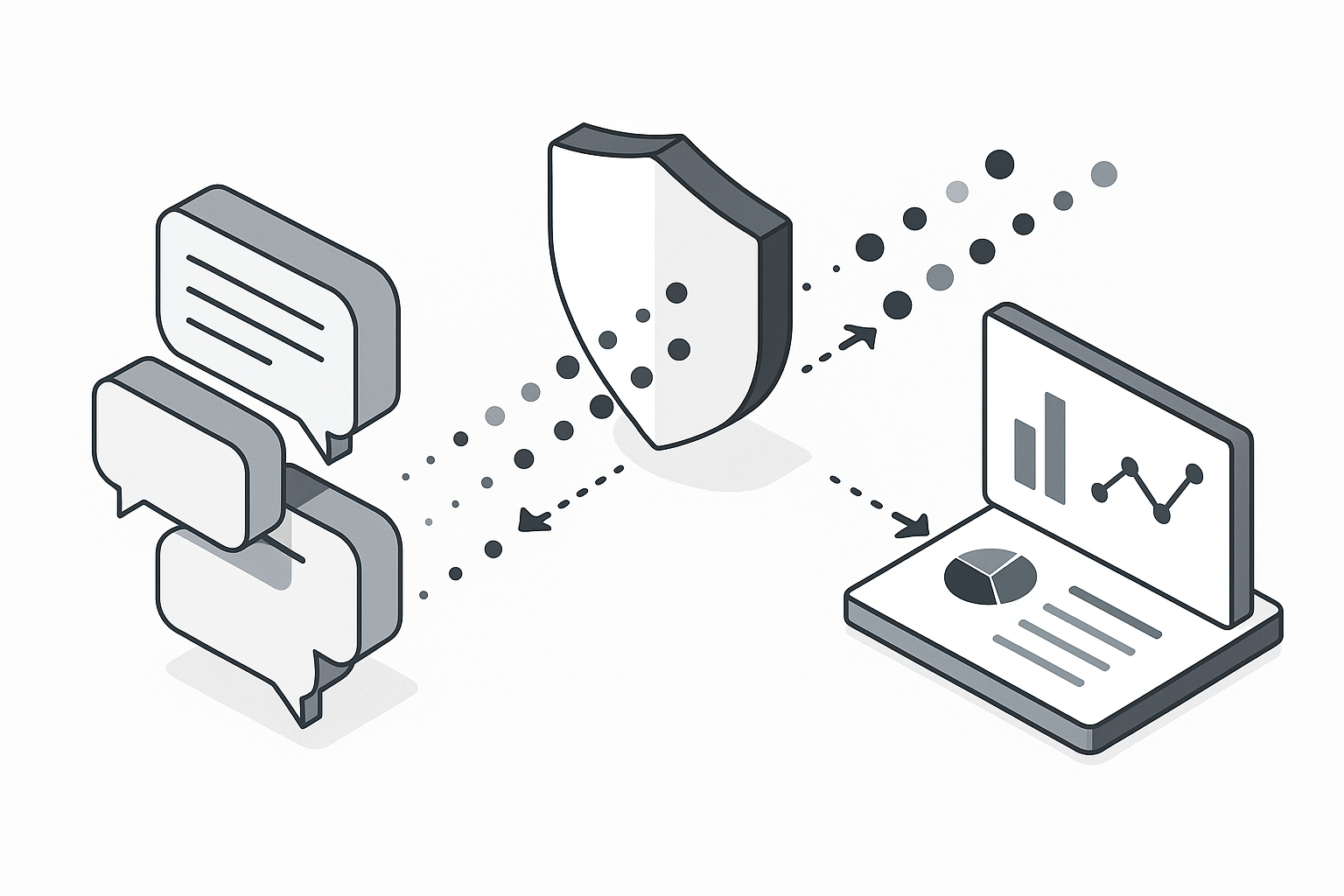
Slack provides several APIs and native features that enable activity tracking without exposing message content. The Slack Discovery API allows Enterprise Grid organizations to access and export data from their workspace, including messages, files, and channel activity, but crucially offers the option to exclude message bodies.
The Audit Logs API provides another privacy-conscious monitoring option. These API methods provide a view of the actions users perform in an organization but "do not enable monitoring of message content." This makes it ideal for compliance and security monitoring without privacy violations.
Slack's native Data Loss Prevention (DLP) features also work at the metadata level. DLP scans messages, text-based files and canvases for policy violations, alerting administrators without requiring them to read the actual content.
The Discovery API provides structured access to Slack conversations and metadata with proper administrative permissions. The exposed fields include timestamps, channel IDs, sender and receiver identifiers, file metadata, and reaction counts - all without revealing what was actually said.
This metadata enables powerful analytics while maintaining privacy boundaries. Organizations can understand communication volumes, identify collaboration patterns, and detect potential issues like after-hours overwork, all without accessing a single message.
The Audit Logs API is designed for monitoring audit events happening in an Enterprise organization to ensure continued compliance and safeguard against inappropriate system access. It tracks user actions across the entire organization, not individual workspaces.
Every audit event logged includes an actor (who performed the action), an action (what was done), an entity (what was affected), and context (additional details). This comprehensive logging enables security teams to investigate incidents and maintain compliance without ever needing to access message content.
GDPR compliance requires careful consideration of several key principles when implementing any employee monitoring system. The GDPR, effective since May 25, 2018, establishes comprehensive data privacy requirements that directly impact how organizations can monitor Slack usage.
The principle of data minimization is central to GDPR-compliant monitoring. Organizations must establish lawful basis for processing, implement data protection by design, and maintain detailed processing records. Metadata monitoring naturally aligns with these requirements by collecting only the minimum data necessary for legitimate business purposes.
Slack itself maintains robust compliance certifications, having received ISO 27001, ISO 27017, and ISO 27018 certifications. These certifications provide assurance that the platform's infrastructure supports GDPR-compliant data handling practices.
The challenge of balancing monitoring with privacy rights is significant. As noted by privacy researchers, "The more employee monitoring resembles surveillance" - with systematic, continuous tracking - "the greater the potential for infringement of both privacy and data protection rights."
Compliance with GDPR principles of data minimisation and transparency becomes easier when organizations focus on metadata rather than content. This approach inherently limits data collection and makes it simpler to explain monitoring practices to employees.
Italian regulators recently emphasized the importance of metadata retention limits, stating that metadata necessary for email systems "cannot normally exceed a few hours or a few days, in any case not more than 7 days," with possible 48-hour extensions for documented needs.
Key takeaway: Metadata monitoring satisfies GDPR's data minimization principle while still providing actionable insights for organizational improvement.
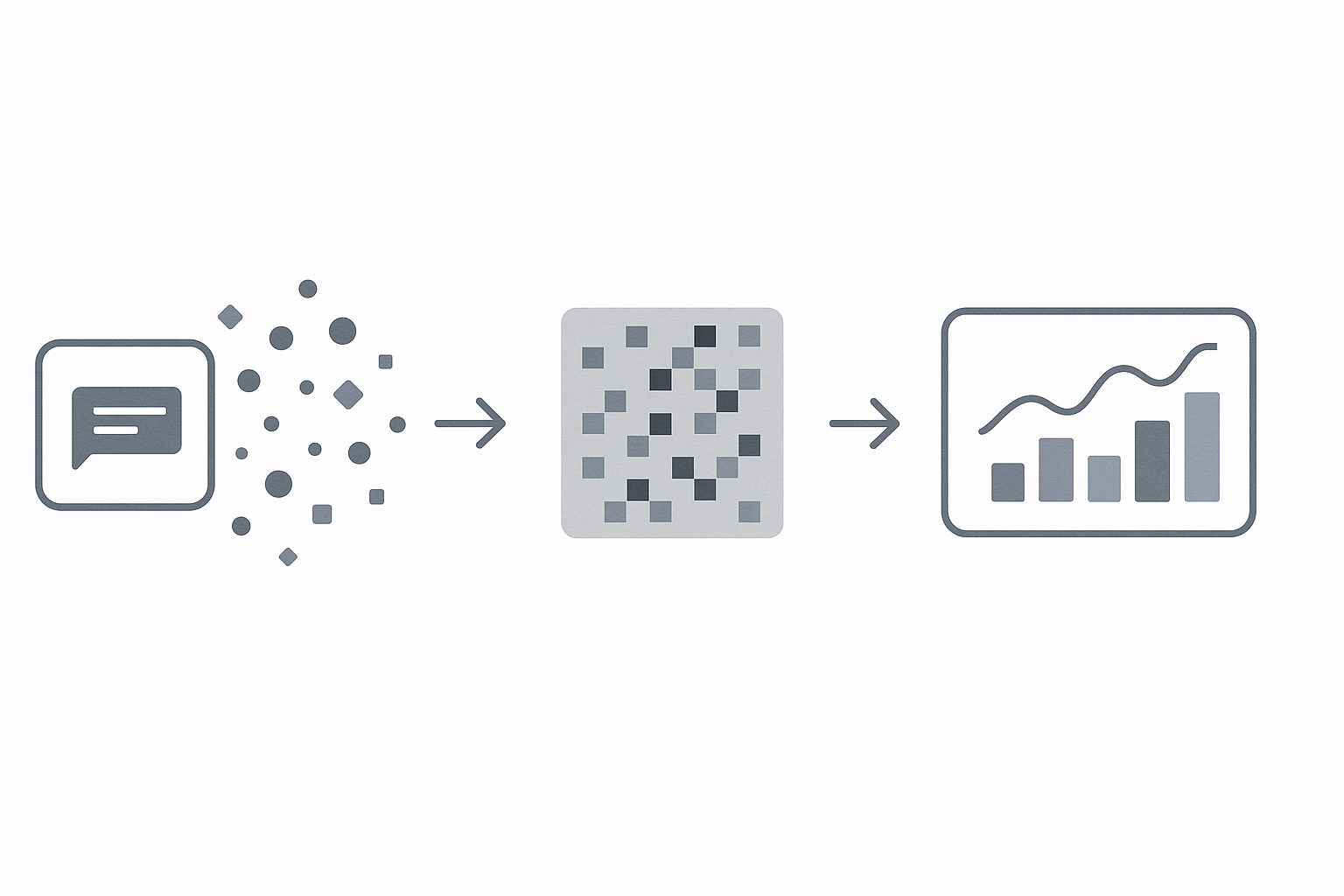
Creating a privacy-first monitoring system requires careful planning and implementation. As Worklytics demonstrates, organizations can build robust analytics pipelines that never process or store any work or message content whatsoever.
The foundation of any compliant monitoring system is data minimization from the start. Organizations must design their data collection to exclude message content at the source, rather than collecting everything and filtering later. This approach ensures that sensitive information never enters the analytics pipeline.
Anonymization and aggregation form the second critical layer of privacy protection. Any personal identifiers within the data must be stripped automatically when first ingested, with analyses provided only at the group level with a minimum size of eight employees.
The final step involves creating privacy-aware dashboards that surface insights without exposing individual behavior. Worklytics never accesses message content, instead relying on metadata like timestamps, channels, and sender/receiver IDs to generate meaningful analytics.
Start by identifying the specific metrics that align with your organizational goals. Each exported dataset should include only essential elements: timestamps, threads, mentions and reactions, and user identifiers - nothing more.
Configure your API connections to exclude message bodies from the start. This isn't just about filtering data later; it's about ensuring sensitive content never enters your systems.
Worklytics exemplifies this approach by using SHA256 hash algorithms to pseudonymize data. This cryptographic technique replaces identifiable information with unique codes that cannot be reversed.
Implement minimum group size thresholds to prevent individual identification. Never report on groups smaller than five to eight people, depending on your organization's privacy standards.
Transform raw metadata into actionable insights through automated analytics. Worklytics provides up-to-the-moment analytics on Slack activity, automatically computing metrics like messages sent, threads started, and channel participation rates.
Create role-based access controls that limit who can see what data. Executives might see department-level trends, while team managers see only their team's aggregated metrics.
The landscape of Slack monitoring tools varies significantly in their approach to privacy protection. Worklytics focuses solely on metadata, with no message content analyzed, ensuring that personal communications remain confidential.
Traditional monitoring tools like Teramind, trusted by 10,000+ organizations, offer comprehensive behavioral analytics but may capture more detailed activity data. These platforms protect customer data with real-time behavioral analytics and prevent unauthorized export attempts across all channels.
The distinction lies in the depth of monitoring. While DLP tools scan content for policy violations, privacy-first platforms analyze only communication patterns. This fundamental difference impacts both compliance posture and employee trust.
Worklytics stands out as the most privacy-conscious option, built from the ground up with data protection as a core principle. The platform uses SHA256 hash algorithms to pseudonymize data and maintains strict aggregation thresholds.
Compared to traditional tools, privacy-first platforms trade some detection capabilities for stronger privacy guarantees. Organizations must weigh their security needs against privacy commitments when selecting a monitoring approach.
With over 58% of the workforce now remote, the pressure to monitor has intensified, but so has the need for ethical, transparent monitoring practices.
Effective metadata monitoring can reveal critical insights about organizational health without compromising privacy. Research shows that highly connected organizations are 20-25% more productive, making collaboration metrics essential for performance management.
Worklytics automatically computes metrics like messages sent, threads started, reactions given, and channel participation rates for teams and departments. These metrics provide a comprehensive view of team engagement without revealing conversation content.
After-hours activity patterns deserve special attention. When 60%+ of messages happen in private conversations, teams may lose the benefits of cross-functional learning. Similarly, consistent late-night activity signals potential burnout risks that require intervention.
Response time metrics indicate team efficiency and stress levels. Rapid-fire exchanges might suggest reactive work cultures, while excessive delays could indicate overload or disengagement.
Channel participation rates reveal inclusion dynamics. Teams with balanced participation typically show healthier collaboration patterns than those dominated by a few voices.
Key takeaway: Focus on metrics that indicate team health and collaboration quality rather than individual productivity scores.
Organizations can successfully monitor Slack activity while respecting employee privacy by focusing exclusively on metadata. Worklytics includes compliance controls to meet regulations like GDPR and CCPA, giving organizations confidence that using Slack data for analytics won't violate privacy laws.
The key to ethical monitoring lies in transparency and purpose. Organizations must clearly communicate what they monitor, why they monitor it, and how the data benefits both the company and employees. No message content should be analyzed - the focus remains solely on metadata patterns.
Implementing privacy-first monitoring requires commitment from leadership, investment in appropriate tools, and ongoing dialogue with employees about data usage. The payoff comes in the form of valuable insights that improve workplace collaboration without eroding trust.
Worklytics provides comprehensive analytics through its automated, privacy-first solution that requires no manual exports or scripts. By connecting directly to the Slack Discovery API and automatically ingesting metadata streams, it delivers real-time insights while maintaining the highest privacy standards.
For organizations seeking to understand their Slack usage patterns while maintaining GDPR compliance and employee trust, metadata-based monitoring through platforms like Worklytics offers the optimal balance of insight and privacy protection.
Metadata-based monitoring involves tracking Slack activity patterns such as communication volumes and collaboration networks without accessing message content, ensuring privacy compliance.
Slack's Discovery API allows organizations to access and export workspace data, including channel activity, without exposing message bodies, thus supporting privacy-first monitoring.
Using metadata for monitoring provides insights into team dynamics and productivity while respecting privacy boundaries, leading to better employee trust and compliance with regulations like GDPR.
Worklytics ensures GDPR compliance by focusing on metadata, implementing data minimization, and using anonymization techniques, thus aligning with GDPR principles of data protection and privacy.
Key GDPR principles include data minimization, transparency, and lawful processing, which are crucial for ensuring that Slack monitoring respects employee privacy and complies with legal standards.
1. https://worklytics.co/blog/using-slack-discovery-api-for-analytics
2. https://worklytics.co/resources/privacy-first-productivity-tracking-hybrid-teams-2025-buyers-guide
3. https://worklytics.co/blog/slack-export-for-discovery-analyzing-collaboration-patterns
4. https://api.slack.com/admins/audit-logs
5. https://slack.com/intl/en-gb/help/articles/12914005852819-Slack-data-loss-prevention
6. https://slack.com/intl/en-ie/trust/compliance/gdpr?geocode=en-ie
8. https://worklytics.co/privacy
9. https://worklytics.co/blog/using-exported-slack-data-for-communication-analytics
10. https://www.teramind.co/solutions/slack-employee-monitoring/