.jpg)
Artificial intelligence now plays a role in decisions that affect people’s access to jobs, financial services, and information. As these systems influence real outcomes, ethical issues such as bias, unfair treatment, and lack of transparency have become documented risks rather than theoretical concerns.
Independent tracking of AI failures has documented thousands of incidents involving discriminatory outputs and unaccountable decision-making.
AI governance exists to convert these expectations into concrete rules and oversight, ensuring AI systems remain fair, traceable, and aligned with legal and organizational standards.
AI governance provides a structured framework for organizations to manage AI responsibly, ethically, and in compliance with applicable laws and regulations. It establishes who makes decisions about AI, how those decisions are evaluated, and what safeguards are in place.
In practice, this means setting ethical guidelines (e.g. ensuring fairness and human-centric design), adhering to regulatory requirements, and building accountability mechanisms so that every AI-driven decision can be traced and evaluated.
Done well, it promotes fairness, protects data privacy, mitigates risks, and fosters trust in AI solutions. Done poorly (or not at all), organizations risk deploying AI that could be biased, insecure, or out of step with laws and public expectations.
The importance of AI governance has accelerated in parallel with AI adoption.
A recent index found that 78% of organizations reported using AI in 2024, up from 55% the year before – a massive jump that underscores how quickly companies are embracing AI.
In fact, 79% of business leaders now say adopting AI is critical to competitiveness, yet 60% worry their company lacks a clear plan to implement it responsibly. AI governance is the answer to bridging that gap between enthusiasm and caution.
Put simply, AI governance matters because it provides the checks and balances needed to use AI safely and effectively in an organization. Key reasons include:
One stark illustration of why governance is needed is the issue of public trust. People’s confidence in AI can vary greatly depending on who is deploying it. For example, a 2024 survey in the United States found that around 55% of Americans trust the military or healthcare organizations to use AI, whereas only 22% trust political organizations to do so. Social media companies also scored low in trust (only ~29% trust). Such disparities (see chart below) highlight that trust is not a given – it must be earned through responsible practices. Robust AI governance is what signals to customers, employees, and the public that an organization’s AI systems are worthy of confidence and being used for beneficial purposes under proper oversight.
Recognizing the need for AI governance is one thing; putting it into practice is another. Implementation will differ by organization, but several best practices are emerging:
AI governance fails in most organizations for one reason: AI usage is not observable at scale. Policies, ethics frameworks, and approval processes exist, but they operate in isolation from how AI is actually used day to day. Without verifiable usage data, governance becomes performative rather than operational.
Worklytics closes this gap by making AI usage measurable, attributable, and governable.
Effective governance depends on evidence. Worklytics captures usage signals from enterprise tools where AI is embedded, including collaboration and productivity platforms, and translates them into clear, organization-wide visibility. This allows companies to move from assumed compliance to demonstrated control.
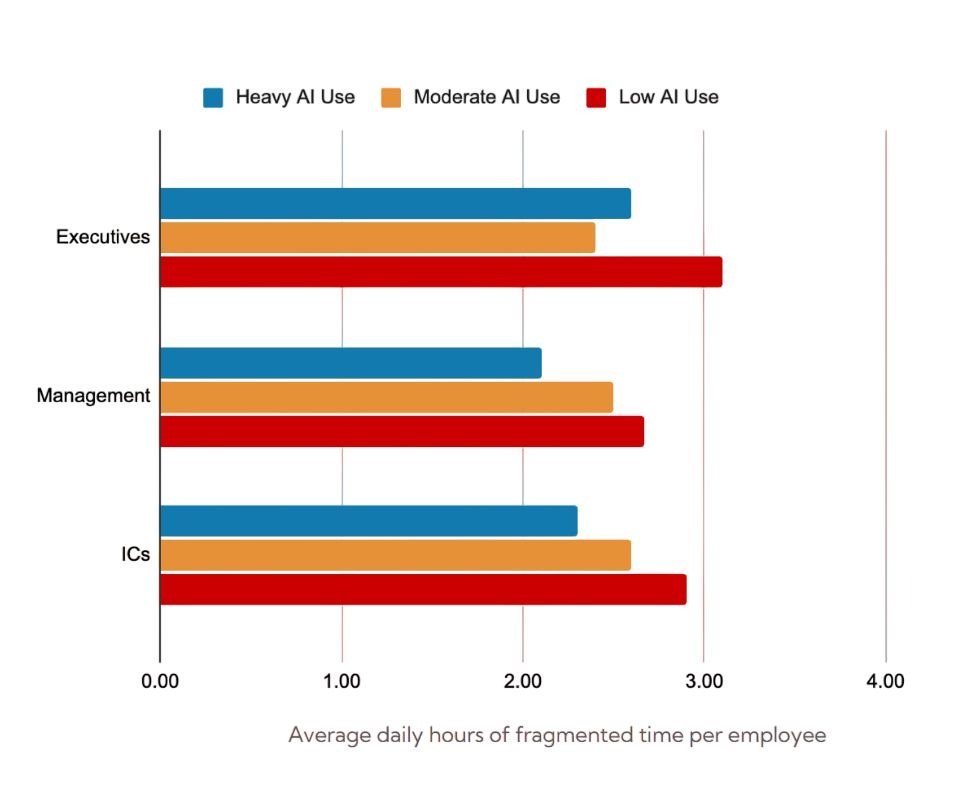
Executives no longer need to ask whether AI tools are being adopted responsibly. Worklytics answers that question with data.
Governance requires ownership. Worklytics identifies where AI is being used, by which teams, and at what intensity, enabling leadership to assign accountability with precision. This is critical in regulated or high-risk environments where leaders must be able to demonstrate who is responsible for AI-influenced workflows.
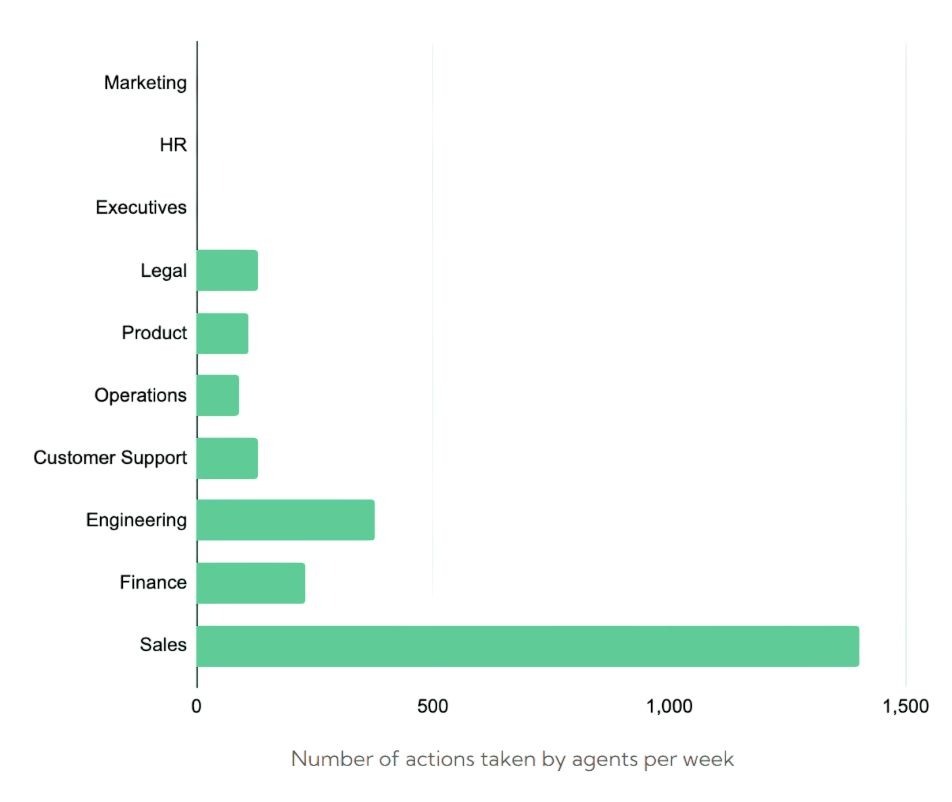
Without this level of clarity, accountability remains theoretical. Worklytics makes it enforceable.
Most organizations publish AI policies but lack the means to enforce them. Worklytics converts governance policies into monitorable controls by validating whether approved AI tools are being used as intended and whether usage patterns align with organizational guidelines.
This eliminates reliance on self-reporting, surveys, or one-off audits. Governance becomes continuous, objective, and defensible.
Unmonitored AI usage introduces ethical risk, including uneven reliance on AI, over-automation of judgment, and unintended decision bias. Worklytics surfaces usage concentration, dependency patterns, and adoption gaps that governance teams can act on before risks escalate.
This early detection is essential for maintaining fairness, preventing misuse, and ensuring AI augments work rather than replaces accountability.
AI governance is increasingly a board responsibility. Worklytics provides clear metrics and dashboards that translate complex AI activity into governance-relevant insights. Leaders gain visibility into whether AI investments are controlled, equitable, and aligned with stated governance principles.
This enables informed oversight rather than retrospective damage control.
AI governance cannot succeed without visibility. Visibility cannot exist without measurement.
Worklytics provides the measurement layer that AI governance depends on. It transforms AI adoption from an unmanaged operational risk into a controlled, auditable, and governable system, enabling organizations to meet ethical, regulatory, and strategic expectations with confidence.
In summary, AI governance is rapidly becoming a cornerstone of corporate governance in the modern era. It provides the means to harness AI’s transformative potential safely, ethically, and effectively. By implementing robust governance frameworks and leveraging tools like Worklytics to gain visibility into AI adoption, organizations can innovate with confidence. They can ensure their AI initiatives deliver value and competitive advantage while upholding stakeholder trust and complying with evolving AI regulations. In a world where AI is everywhere, strong AI governance is what will separate the leaders from the laggards, enabling companies to embrace the future of work responsibly and successfully.