Artificial intelligence has rapidly permeated workplaces worldwide. A recent EY survey found that 88% of employees use AI at work. Businesses are betting big on AI’s potential – 86% of employers expect AI to transform their operations by 2030. From automating mundane tasks to augmenting decision-making, AI promises gains in productivity and innovation.
Yet widespread adoption hasn’t automatically translated into improved employee retention. For HR leaders, the key question is how AI is reshaping the factors that keep employees on board, and what can be done to harness AI for better retention outcomes.
One major application is predictive analytics in HR. By analysing patterns in employee data (from tenure and promotions to engagement levels), AI can identify employees at risk of leaving before they resign.
For example, IBM developed a “predictive attrition” AI program that analyzes factors like time since last promotion, commute length, and overtime hours. This system can predict with 95% accuracy which employees are likely to quit, and it even suggests targeted actions for managers to re-engage those individuals. IBM’s HR team credits this AI-driven approach with saving the company approximately $300 million in turnover costs through proactive retention interventions.
Organizations across industries report similar success by deploying AI-powered retention analytics. Salesforce achieved a 15% reduction in employee turnover after implementing machine-learning models to detect early warning signs of attrition, while SAP saw attrition rates fall by 20% using predictive algorithms to flag key turnover risk factors.
People tend to stay longer in organizations where leadership is competent, responsive, and equipped to make informed decisions. In essence, AI strengthens managerial performance, thereby enhancing the overall employee experience and driving higher retention rates.
Because managers are freed from time-consuming manual processes, they can reallocate their time toward coaching, communication, and development—areas that employees value deeply. When managers are more effective, teams experience fewer roadblocks, less confusion, and more support.
When employees experience fewer unnecessary meetings, clearer workflows, and automated support for routine tasks, their daily experience improves dramatically. A healthier balance between effort and output fosters a work culture where employees feel supported, not overwhelmed.
AI improves workplace productivity not by pushing employees to work harder, but by helping them work smarter. AI systems analyze collaboration patterns, workload distribution, and meeting overload, helping organizations identify inefficiencies that contribute to burnout. AI also surfaces early indicators of overwork, allowing managers to intervene before burnout escalates into disengagement or turnover.
AI transforms onboarding from a manual, time-consuming process into a streamlined, personalized experience. Intelligent systems automate paperwork, schedule training sessions, generate tailored learning pathways based on role requirements, and provide new hires with quick access to information through AI assistants or chatbots. AI can also analyze job descriptions, workflows, and competency models to identify the exact skills a new hire must develop, ensuring the onboarding plan is precise rather than generic.
A faster and more organized onboarding process reduces confusion, frustration, and early ramp-up challenges. New employees feel confident sooner because they know where to find resources, who to contact, and what is expected of them. Onboarding is one of the most critical moments in the employee lifecycle; poor onboarding is a known driver of early turnover. By increasing efficiency, clarity, and personalization, AI indirectly boosts retention. When new hires experience a smooth, guided, and well-supported introduction to the organization, they are more likely to stay engaged, integrate quickly into their teams, and commit to the company long-term.
While AI offers powerful tools to improve retention, it also introduces new challenges that HR leaders must navigate to avoid unintended attrition. One challenge is the workforce’s anxiety about AI. According to global survey data, 38% of employees fear that AI could make their jobs obsolete, and an equal number worry that heavy reliance on AI could erode their own skills or professional value.
If left unaddressed, these fears can undermine morale and loyalty – talented people may start looking for employers with a more reassuring human-centric approach.
Another paradoxical challenge is the “learning–retention dilemma” emerging with AI. As organizations push to upskill their workforce in AI, those efforts can inadvertently increase turnover risk if not paired with proper career incentives.
Organizational change fatigue is another factor to watch. The integration of AI often comes with restructuring teams, redefining roles, or reengineering processes. In fact, 8 out of 10 leading organizations have significantly reorganized due to AI, and yet 74% acknowledge the need for ongoing changes as AI capabilities evolve. Constant change can weary employees, hurting engagement and retention.
As AI accelerates organizations’ ability to understand turnover risks, Worklytics fills the crucial execution gap by translating those insights into actionable, real-time workforce intelligence. While AI provides predictive power, Worklytics ensures leaders know exactly where retention risks originate, why they’re happening, and how to intervene before talent loss becomes costly. By integrating collaboration analytics, HRIS data, and wellbeing metrics, Worklytics gives companies a continuous visibility layer that most AI models alone cannot deliver.
AI models often highlight who might leave, but Worklytics helps you uncover why. Using aggregated data from HR systems and work tools, Worklytics pinpoints friction points such as workload imbalance, declining engagement, team fragmentation, or inconsistencies in management practices. These insights allow HR and leadership teams to move beyond assumptions and address the root causes of turnover.
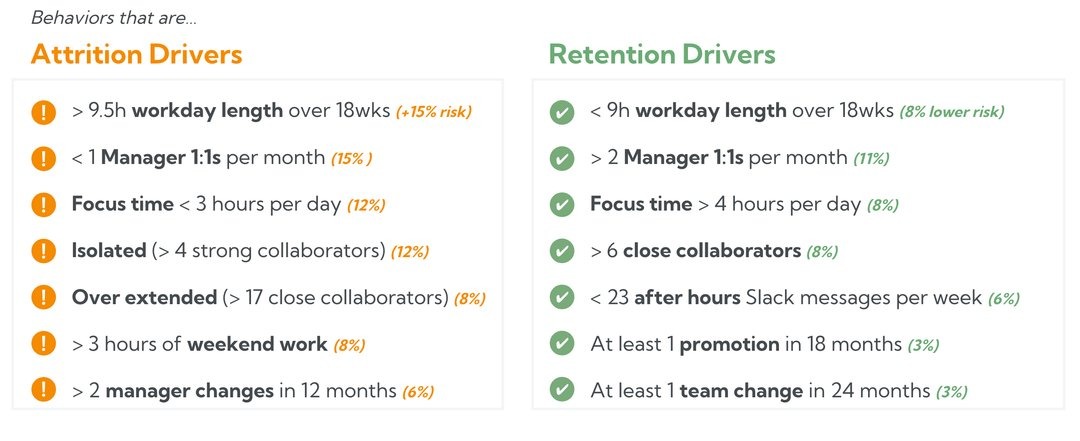
Traditional surveys only reveal employee sentiment after issues have taken hold. Worklytics bridges this gap by surfacing behavioral indicators in real time. Changes in collaboration patterns, drops in cross-team connectivity, or sudden increases in after-hours work can all signal elevated retention risk. Leaders gain an early alert system that empowers them to take action before disengagement becomes resignation.
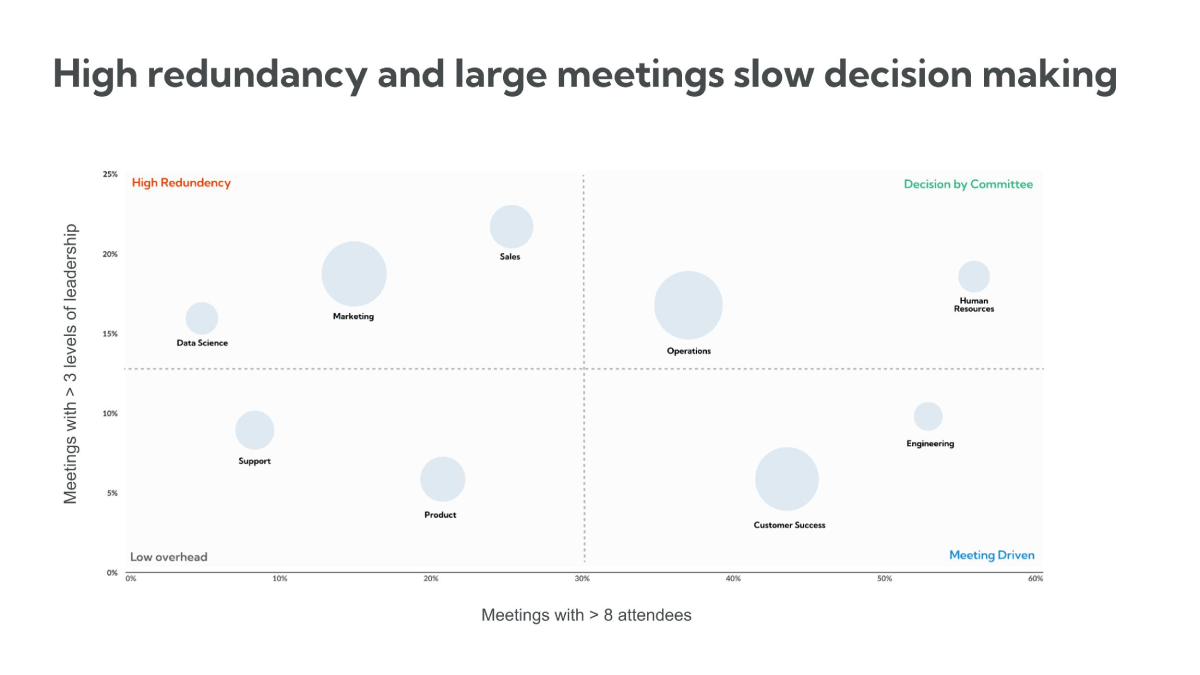
Burnout remains one of the most consistent predictors of turnover. Worklytics uses passive, privacy-preserving analytics to highlight where employees face excessive meetings, over-collaboration, constant context switching, or minimal focus time. These stress signals help organizations redesign workloads, rebalance team responsibilities, and promote healthier work habits that support long-term retention.
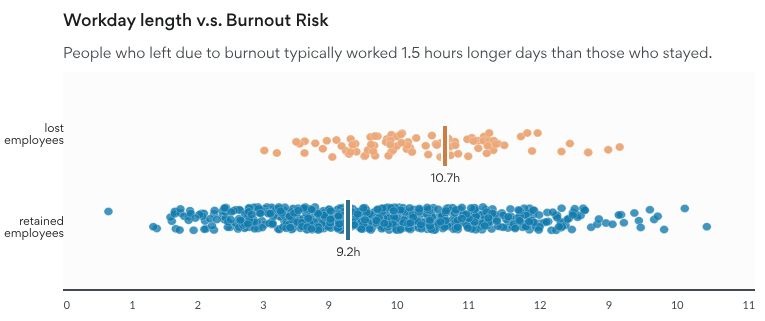
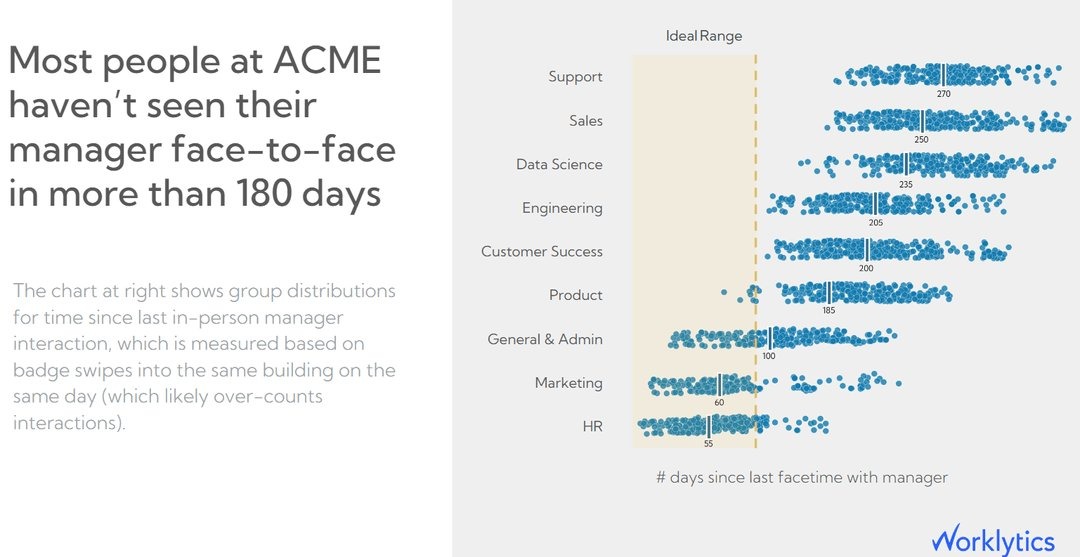
Engagement doesn’t only come from task execution. It comes from connection, recognition, and feeling part of a healthy work environment. Worklytics analyzes network strength, collaboration density, and manager touchpoints to reveal whether teams feel supported or isolated. This is especially critical in hybrid and remote environments where connection gaps can go unnoticed until turnover spikes.
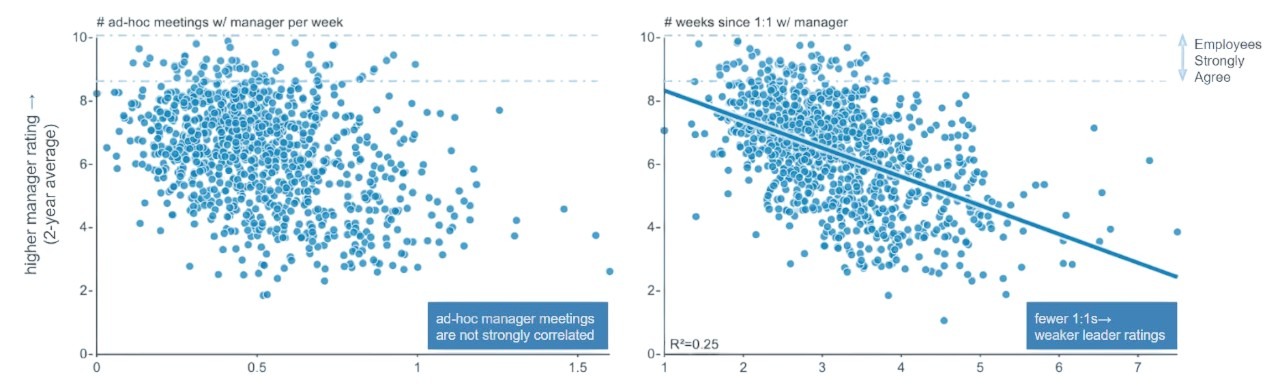
Managers play a defining role in whether employees stay or leave. Worklytics offers visibility into managerial behaviors such as frequency of one-on-ones, team communication load, and inclusivity signals in collaboration patterns. These insights equip leaders with practical ways to support their teams and help companies scale consistent, healthy management behaviors that boost retention.
Retention risks differ significantly across work modes. Worklytics allows leaders to segment insights by geography, role, work modality, or team structure, revealing nuanced patterns AI models might overlook. This ensures interventions are not generic but targeted to the specific contexts where risk is emerging.
Worklytics gives you the visibility and insights needed to prevent turnover, reduce burnout, and build a healthier, more resilient workforce. If you’re ready to turn AI-driven insights into meaningful action, book a demo and see how Worklytics can help you keep your best people.